 how-to
How Do You Spot Truly Fresh Ingredients?
Last Updated: November 1, 2026
Quick Summary
To identify fresh ingredients, use your eyes, nose, and hands: look for bright, even color and intact surfaces, sniff for a clean mild scent, and press for firm, heavy flesh. Freshness is a sensory verdict, not a date stamp, so trust your senses over the label.
- Dull color, bruising, and wilting usually mean produce has been sitting too long.
- Sour, musty, or sharp odors are stop signs; a clean, mild scent is the baseline.
- Discard ground meat left above 40°F for more than two hours or past its use-by date.
- Discard cooked leftovers after four days in the refrigerator, or sooner if they smell off.
- Never taste a food to confirm spoilage, since the senses cannot detect every hazard.
Table of Contents
- Start With Your Senses: Sight, Smell, and Touch
- How to Tell if Food Is Spoiled
- Signs of Fresh Vegetables and Produce to Look For
- Reading Labels and Package Dates at the Grocery Store
- Fresh Versus Frozen Ingredients: Which Wins?
- Your Food Freshness Checklist for the Store and Home
- Taste the Difference at Taqueria El Noa Noa
- Frequently Asked Questions
Start With Your Senses: Sight, Smell, and Touch
Learning how to identify fresh ingredients starts with three tools you already own: your eyes, nose, and hands.
Here is the core idea most guides skip: freshness is a sensory verdict, not a date stamp. A package can carry a future date and still hold tired food. Your senses catch what the label cannot.
What Fresh Ingredients Look Like
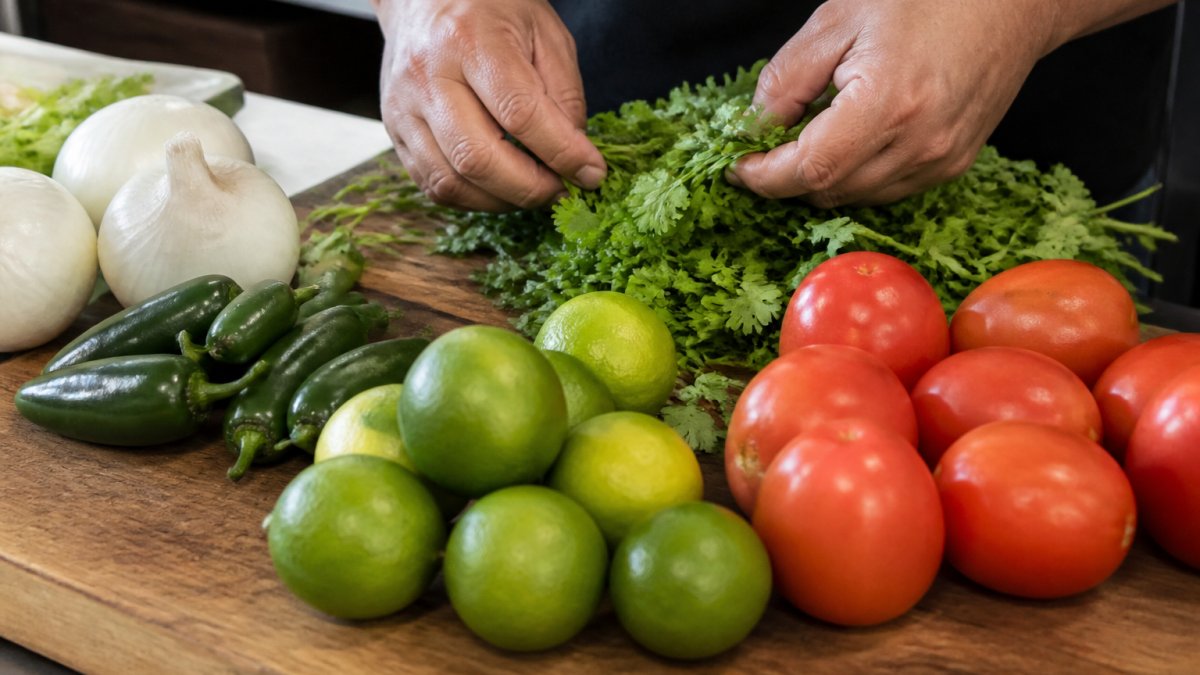
Fresh ingredients look the way they looked in the field or the cooler: bright, even, and intact. Color is your first filter.
- Vegetables: deep, vivid color with no dull gray or brown patches
- Herbs: upright leaves, not limp or yellowing
- Meat: moist surface with a consistent tone, not patchy or darkening
- Citrus: tight, slightly glossy skin with no soft spots
Dull color usually means age. Bruising, blemishes, and wilting are the body's way of telling you the produce has been sitting too long.
Smell and Texture Checks That Catch Problems Early
Smell and touch catch what sight misses. A clean, mild scent is the baseline. Anything sour, musty, or sharp is a stop sign.
Texture tells the rest of the story:
- Firmness: produce should feel heavy and firm, not spongy
- Snap: fresh stems and pods should break cleanly
- Surface: meat and fish should feel damp, never tacky or slimy
A common mistake is trusting the sell-by date over your nose. In practice, the nose is faster and more honest.
How to Tell if Food Is Spoiled
Spoilage and safety are not the same thing. Spoilage is what you can see, smell, or feel, mold, slime, sour odor, swollen packaging. Safety is whether harmful bacteria or toxins are present, and those often leave no sensory trace at all.
A common pattern in food-safety guidance is that the pathogens behind most foodborne illness, Salmonella, Listeria, E. coli O157:H7, Campylobacter, do not reliably change the color, smell, or texture of food.
Use these red flags as discard signals across the board:
- Sour, rancid, or ammonia-like odors
- Slimy or sticky surfaces
- Mold in any color (including the fuzzy white or green patches on bread, berries, and citrus)
- Swollen, leaking, or dented cans and vacuum-sealed packs
- Color that has shifted gray, green, or black
- Bubbling or off-gassing in jars and fermented products
When to Discard, Not Just Doubt
Some items have hard discard rules that override the sniff test:
- Ground meat and poultry: discard if the package is past its use-by date, has been left above 40°F for more than two hours, or smells sour. Ground product has more surface area and spoils faster than whole cuts.
- Fish and shellfish: discard fish with dull eyes, flesh that dents and stays dented, or a sharp ammonia smell. Discard shellfish whose shells stay open before cooking or that smell strongly briny or sour.
- Cooked leftovers: discard after four days in the refrigerator, or sooner if they smell off. The USDA FoodSafety.gov cold food storage chart gives item-by-item refrigerator and freezer limits.
- Cut produce: discard if it is slimy, moldy, or has been left at room temperature for more than two hours.
- Canned goods: discard cans that are swollen, leaking, or heavily dented on the seam. Botulism toxin does not produce a reliable smell.
Spoilage That Hides in Plain Sight
Some spoilage is invisible from the outside. A sealed bag of spinach can look crisp while the leaves at the center have gone soft and sour. A vacuum-sealed steak can look red while the surface has turned tacky. Open the package, smell it, and touch it before you cook, and if the package hisses, bubbles, or smells fermented when opened, discard it.
Freshness Versus Safety: A Quick Rule
Freshness is a quality judgment: is this at its best? Safety is a hazard judgment: could this make someone sick? A food can be past its peak freshness and still safe (a slightly soft tomato), or look perfectly fresh and still be unsafe (temperature-abused chicken). When the two conflict, safety wins. When in doubt about safety, throw it out, that rule has never let us down.
Signs of Fresh Vegetables and Produce to Look For
Fresh produce shows firm flesh, bright color, crisp leaves, and a clean, mild smell. Those four signals cover almost everything in the produce aisle, but the specific check changes by item, and so does the verdict when a check fails.
Item-by-Item Freshness Checks
- Leafy greens (spinach, lettuce, kale): crisp, upright leaves with no yellow or brown edges. A few wilted outer leaves are a quality issue; slimy or sour-smelling leaves are a discard signal.
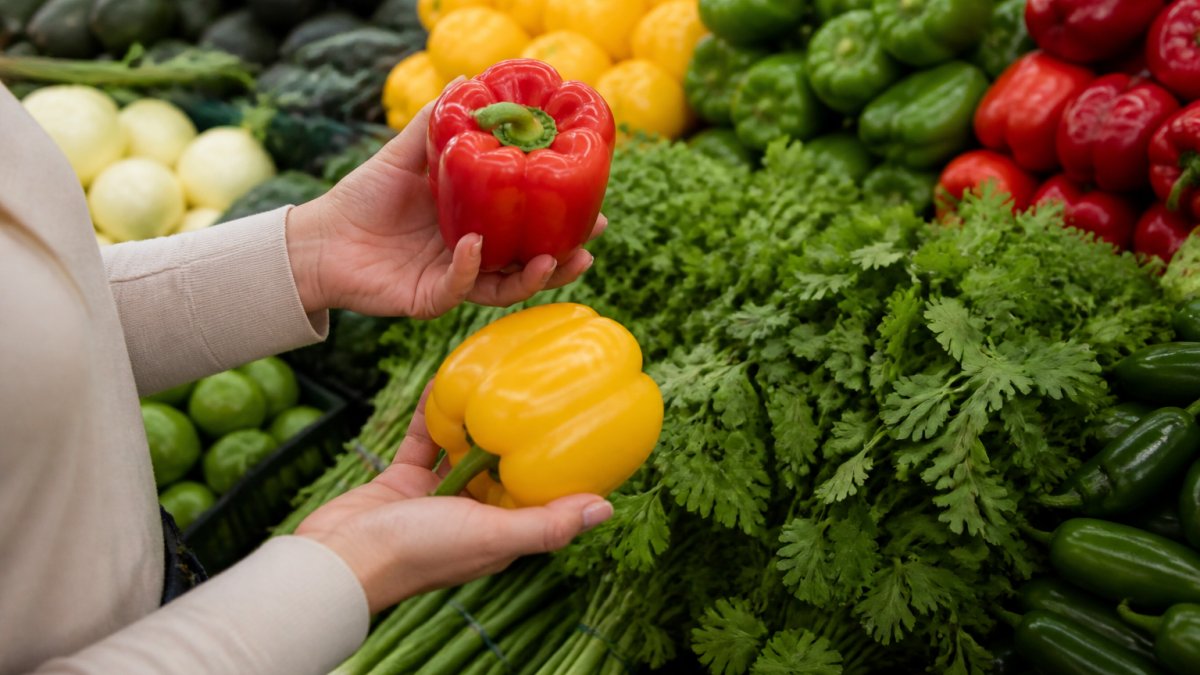
- Peppers and tomatoes: glossy skin, firm to a gentle press, and heavy for their size. A soft spot or wrinkle means age; mold at the stem is a discard signal.
- Root vegetables (carrots, beets, potatoes): hard, heavy, and free of soft spots or sprouts. Green patches on potatoes should be cut away generously or the potato discarded.
- Onions and garlic: dry, papery skin with no sprouts and no soft neck. A sprouting onion is still usable but past its peak.
- Berries: plump and dry, never leaking or moldy. Check the bottom of the container, crushed or moldy berries at the bottom mean the whole pint has been sitting too long.
- Stone fruit (peaches, plums, cherries): firm but yielding to a gentle press, with no shriveling at the stem. A soft, leaking spot is a discard signal.
- Corn: husks that are green and tight, silk that is moist, and kernels that spurt milky juice when pierced. Dry silk and dented kernels mean the corn is past its peak.
- Herbs: upright stems, no yellowing or black spots, and a clean, bright scent. Limp herbs can be revived in ice water; slimy or moldy herbs should be discarded.
Seasonality and Supply-Chain Handling
Seasonality matters more than most shoppers realize. Produce picked in its natural window tends to arrive firmer and tastier because it can be harvested closer to ripeness.
Supply-chain handling leaves visible clues. Look for condensation inside bags (a sign of temperature swings), crushed corners on clamshells (a sign of rough handling), and ice crystals on frozen produce (a sign of thawing and refreezing).
What to Do When a Check Fails
Not every flaw is a discard signal. A bruised apple can be trimmed and eaten; a moldy berry means the whole container should go. A soft tomato is fine for sauce but not for a salad. The practical rule: trim quality defects, discard safety hazards. If the flaw is mold, slime, or an off odor, discard. If it is a bruise, a wilt, or a dry spot, trim and use it soon.
Reading Labels and Package Dates at the Grocery Store
Package dates are guides, not guarantees. The label tells you what the store intends; your senses tell you what is actually true.
Know the difference between the three main date types:
- Best-before: peak quality, not a safety cutoff
- Sell-by: a store stocking guide
- Use-by: the last date the maker stands behind
The USDA Food Safety and Inspection Service guidance on food product dating explains that most date labels are about quality, not safety.
Ingredient lists matter too. Short lists of recognizable ingredients usually signal whole foods. For more context on sourcing, see our guide to the benefits of locally sourced ingredients.
Fresh Versus Frozen Ingredients: Which Wins?
Frozen ingredients win on convenience and shelf life. Fresh ingredients win on texture, flavor, and the eating experience.
Frozen produce is picked and frozen at peak ripeness, so it can hold nutrients well. The trade-off is texture.
Watch out: never refreeze thawed food.
For tortillas, fresh wins outright. That is why fresh tortillas matter daily in a real taquería kitchen.
Your Food Freshness Checklist for the Store and Home
Use this checklist every trip. It turns the sensory rules above into a quick, repeatable routine.
| Check | What to Do | Red Flag |
|---|---|---|
| Sight | Scan color and surface | Dull, gray, or bruised |
| Smell | Take a quick sniff | Sour, musty, or sharp |
| Touch | Press gently for firmness | Spongy, slimy, or tacky |
| Dates | Read best-before and use-by | Past use-by date |
| Labels | Scan the ingredient list | Long list of additives |
| Packaging | Check for swelling or leaks | Swollen or leaking |
| Cold chain | Confirm items feel cold | Warm or room-temperature |
At home, store smart:
- Keep meat and seafood coldest, on the bottom shelf
- Refrigerate cut produce within two hours
- Keep herbs upright in a little water
- Freeze what you will not use in time
- Label leftovers with the date
For a deeper walkthrough of sensory checks, read how to spot fresh Mexican ingredients. If you are worried about a specific item, our practical checklist for fresh tacos walks you through confirming freshness before you eat.
Taste the Difference at Taqueria El Noa Noa
Knowing how to identify fresh ingredients changes how you shop, cook, and eat. It also changes what you expect when you order out.
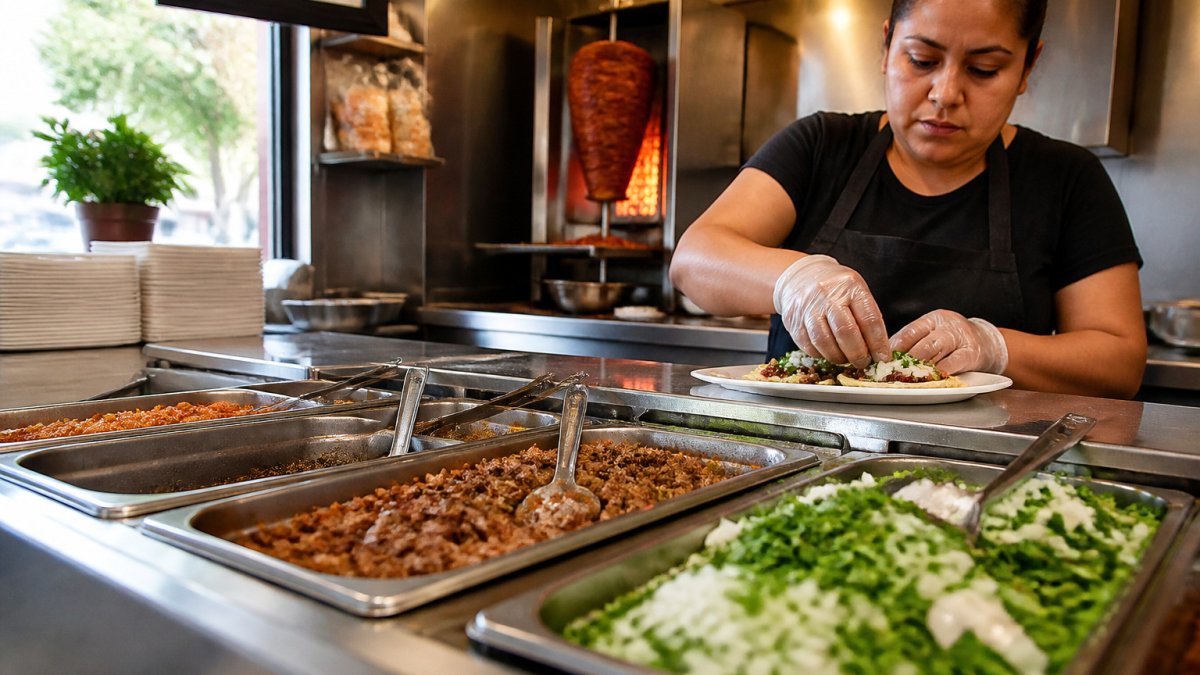
Our meats, tortillas, and toppings are prepared daily, with no shortcuts in the kitchen.
We keep it simple: dine in, pick up, or get delivery. Satisfying portions, freshly made meals, and a neighborhood spot on Hwy 82.
Frequently Asked Questions
How can you tell whether produce is fresh?
Look for firmness, bright color, and tight, crisp leaves. Fresh vegetables should feel heavy for their size and snap rather than bend. Avoid items with wilting, bruising, blemishes, or slimy spots. Smell matters too: fresh produce smells clean and mild, while spoiled items give off a sour or fermented odor. At the store, inspect the cut ends and stems, which should look moist and pale green, not brown or dried out.
How do you know if meat is fresh?
Fresh meat should look moist but not wet, with a consistent red or pink color and no gray or brown patches. Touch it through the packaging: it should feel firm and spring back, not tacky or slimy. Smell is the clearest signal, so trust a sour or ammonia-like odor as a reason to skip it. Always check the sell-by date and keep meat cold in your cart, then refrigerate it within two hours of purchase.
Does frozen food count as fresh ingredients?
Frozen ingredients can be just as nutritious as fresh ones because they are typically frozen at peak ripeness, which locks in vitamins and flavor. The key is reading the package: choose plain frozen vegetables and fruit without added sauces, salt, or preservatives. Avoid packages with clumps of ice or freezer burn, which signal thawing and refreezing. Once thawed, use frozen ingredients within a day or two and never refreeze raw meat or seafood.
What should I check on a food label to judge ingredient quality?
Start with the ingredient list: shorter lists with recognizable ingredients usually mean less processing. Look for whole foods like tomatoes, onions, and spices near the top, and watch for additives, fillers, and preservatives you would not use at home. Compare the expiration, best-before, and sell-by dates, and choose the package with the longest remaining shelf life. For meat and seafood, check for a USDA inspection mark and a clear pack date.
Freshness is not a label you trust. It is a standard you check, every single day. If you want a meal built on that standard, come hungry. Browse the full menu and order online from Taqueria El Noa Noa today.