 how-to
Why Fresh Tortillas Matter Daily
Table of Contents
- Why Fresh Tortillas Matter Daily
- Fresh vs. Store-Bought Tortillas: What's the Real Difference
- Flavor, Aroma, and Texture: Why Fresh Tastes Better
- Are Homemade Tortillas Healthier Than Store-Bought
- How Long Do Tortillas Stay Fresh and How to Keep Them That Way
- How to Warm Tortillas Properly for Maximum Flavor
- Fresh Tortillas Elevate Every Meal
- Frequently Asked Questions
Last Updated: October 21, 2026
Why Fresh Tortillas Matter Daily
Understanding why fresh tortillas matter daily is essential, as they're the foundation of every great meal. At Taqueria El Noa Noa, our kitchen is built on this truth: when your tortillas are fresh, everything else follows.
The difference between a great taco and a forgettable one isn't the meat, toppings, or salsa, it's the tortilla.
Fresh tortillas have a natural sweetness and aroma store-bought versions can't replicate, and they're soft enough to wrap without cracking yet sturdy enough to hold everything together.
Most people grab the cheapest tortillas at the grocery store, then wonder why their tacos taste flat.
Fresh vs. Store-Bought Tortillas: What's the Real Difference
Fresh and packaged tortillas are fundamentally different products: one is made today, the other was made weeks ago, wrapped in plastic, and shipped across the country.
Store-bought tortillas contain preservatives to prevent molding during their long shelf life.
Fresh tortillas made with just masa, water, and salt have a completely different character:
- Softer texture: Fresh tortillas are pillowy and pliable, perfect for wrapping
- Natural aroma: You can smell the corn the moment you open the container
- Better moisture: They don't dry out or crack when you fill them
- Real flavor: The corn taste comes through without any artificial notes
- No additives: Just three ingredients, nothing else
The cost difference is real, but so is the quality difference.
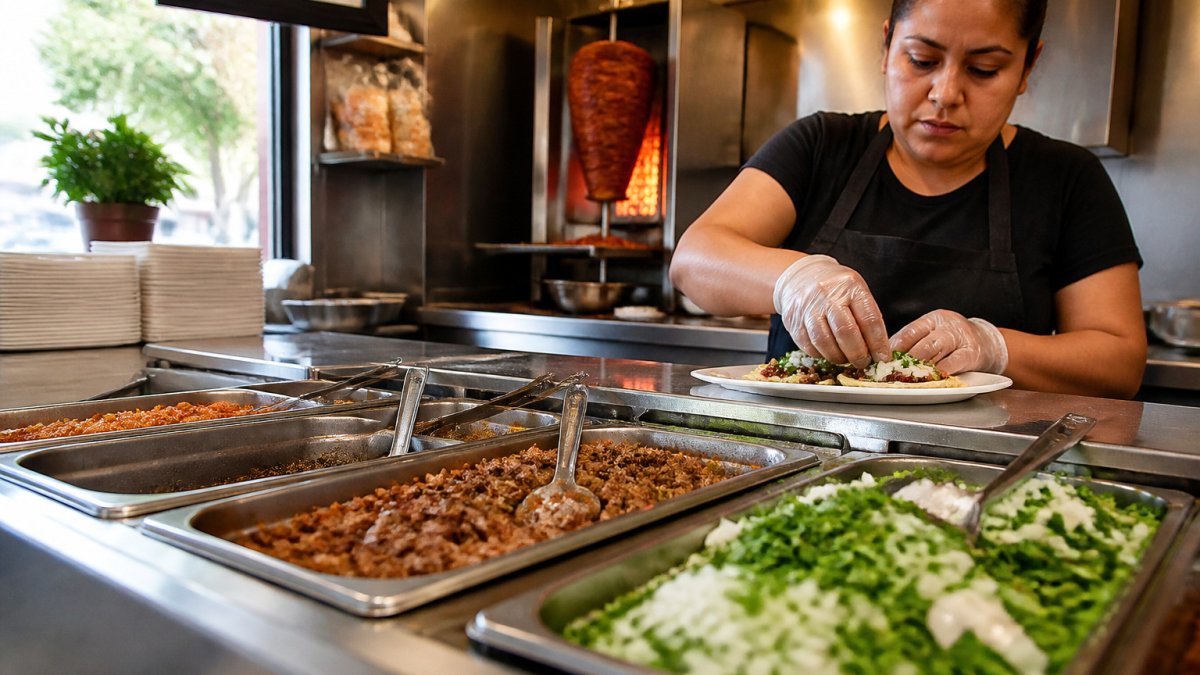
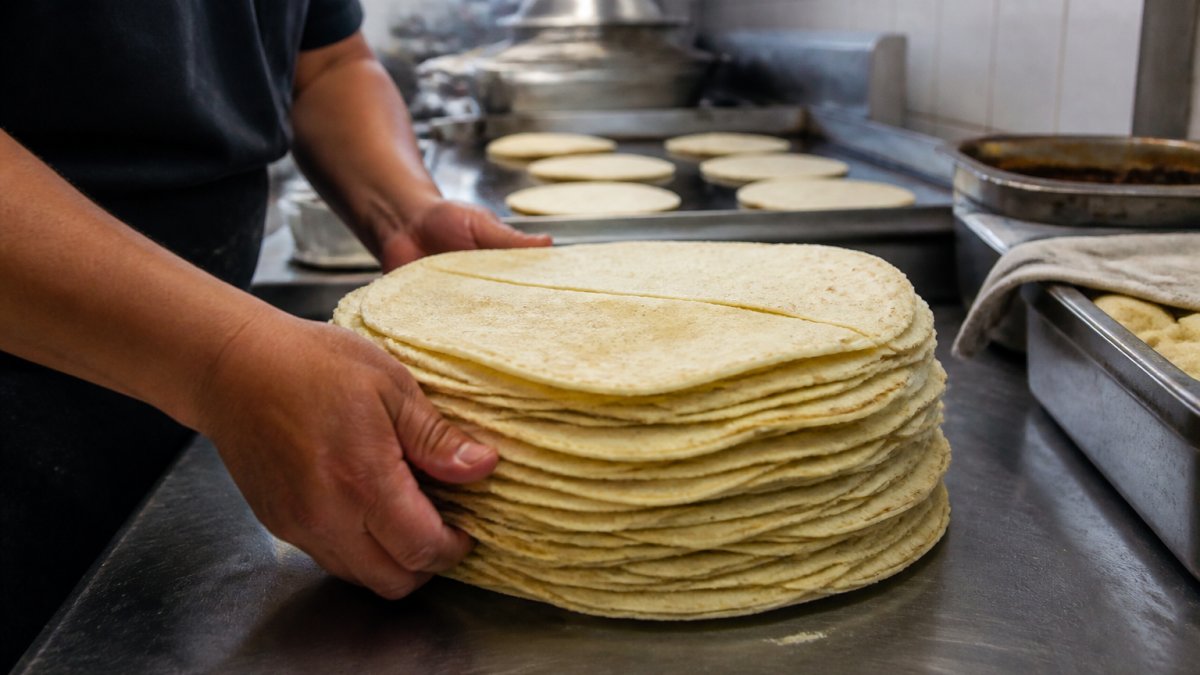
At Taqueria El Noa Noa, we press and cook our tortillas fresh throughout the day. This is why regulars come back. They taste the difference immediately.
Flavor, Aroma, and Texture: Why Fresh Tastes Better
A fresh tortilla has a sweetness packaged versions lack, straight from the corn.
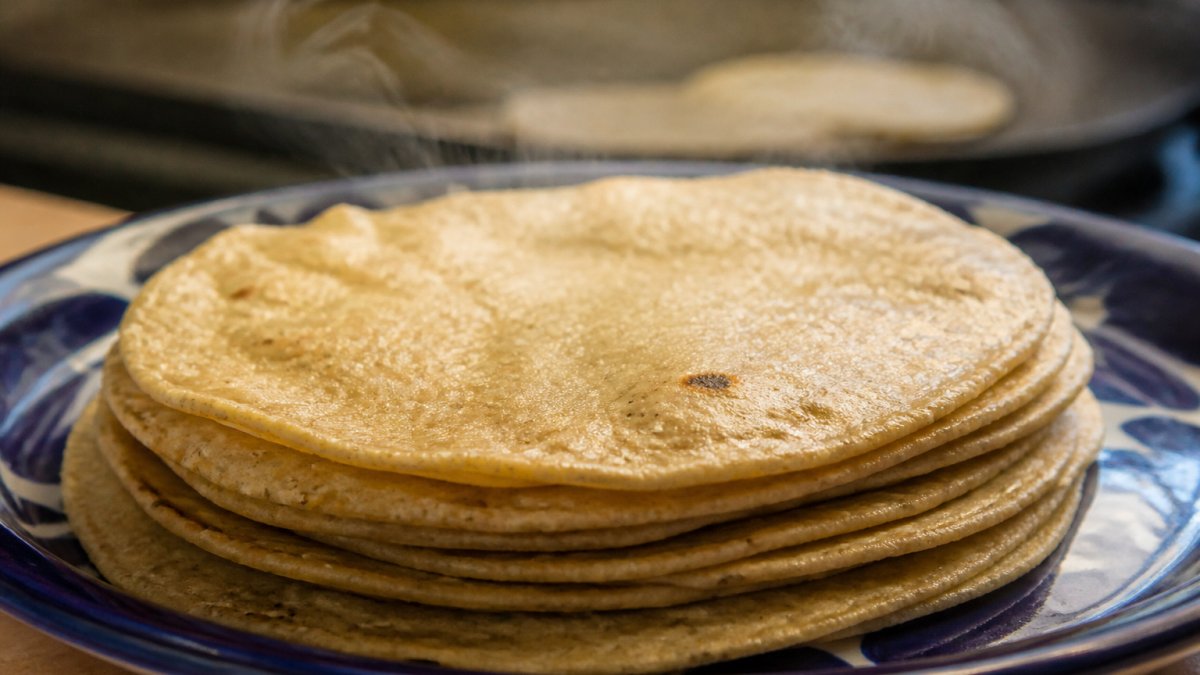
The aroma of a fresh tortilla is unmistakable, warm, slightly sweet, purely corn.
Texture is where fresh tortillas excel: they're soft and flexible, holding filling without tearing because they retain moisture naturally.
A fresh tortilla should be slightly warm and chewy, complementing your filling rather than overpowering it.
Are Homemade Tortillas Healthier Than Store-Bought
Homemade tortillas are simpler, which often means healthier: real tortillas contain just masa harina, water, and salt.
Store-bought packaged tortillas typically contain:
- Masa harina or wheat flour
- Water
- Salt
- Preservatives (sodium propionate, potassium sorbate)
- Emulsifiers (monoglycerides, diglycerides)
- Dough conditioners (enzymes, ascorbic acid)
- Sometimes added sugars or artificial flavors
These additives aren't dangerous in small amounts, but they're unnecessary. If you're eating tortillas daily, simpler is better.
Fresh tortillas retain moisture better and are less likely to cause the bloating that can come from highly processed foods.
Protein content is similar, both corn and flour tortillas provide around 3-4 grams each.
How Long Do Tortillas Stay Fresh and How to Keep Them That Way
Fresh tortillas are a high-moisture food, and moisture is what makes them good, and perishable. Knowing the clock on your tortillas is the difference between a soft wrap and a moldy stack.
The freshness timeline
| Storage method | Typical usable window | What happens |
|---|---|---|
| Room temperature, airtight | About 2 days | Best texture and aroma; begins staling after 48 hours |
| Refrigerator, airtight | 5-7 days for safety, but texture suffers | Cold accelerates staling; tortillas turn stiff and leathery |
| Freezer, airtight | About 3 months | Staling pauses; texture recovers well on thawing |
The two-day room-temperature window is a quality limit, not a hard safety limit. Corn tortillas made with just masa, water, and salt have no preservatives, so eat them fresh, refrigerate only if you must, and freeze what you can't finish.
Cooling before storage matters
Never seal warm tortillas in a container or bag, trapped steam condenses into water droplets, and that surface moisture is exactly what mold needs. Spread them in a single layer on a clean towel or cooling rack for 10-15 minutes until room temperature, then stack and store. Skipping this step is the most common reason homemade tortillas spoil early.
How to store for each timeline
- Same day or next day: A tortilla warmer, a clean cotton towel-lined bowl, or a resealable bag with the air pressed out. Keep on the counter, away from the stove and direct sun.
- Up to a week: Refrigerate in an airtight container with a paper towel on the bottom to absorb condensation. Expect a texture penalty, plan to reheat on a dry comal, not in the microwave.
- Longer than a week: Freeze. Separate tortillas with small squares of parchment or wax paper so they don't fuse into a block, press out air, and label with the date. A vacuum sealer works well if you have one; otherwise a heavy-duty freezer bag with the air displaced is fine.
Thawing and reheating without wrecking texture
Thaw frozen tortillas in the refrigerator overnight or on the counter for about 30 minutes in the sealed bag, never in a microwave, which cooks the edges before the center thaws. Then reheat one at a time on a dry comal or cast-iron skillet over medium-high heat for about 30 seconds per side, driving off surface moisture and re-setting the starches.
How to tell a tortilla has gone bad
- Flexibility test: A good tortilla bends without cracking. If it snaps cleanly in half when you fold it, it is stale, still safe, but past its best.
- Smell: Fresh corn tortillas smell sweet and toasty. A sour, fermented, or musty smell means spoilage.
- Sight: Any fuzzy patches, blue-green speckles, or dark spots that are not char from the comal mean mold. Discard the whole stack, mold roots run deeper than the visible surface.
- Touch: Slimy or tacky surfaces are a sign of bacterial growth. Throw them out.
When in doubt, throw it out. The cost of a pack of masa is trivial compared with a foodborne illness, and the FDA's advice on perishable foods applies here too: keep it clean, keep it cool, and don't push the clock.
A note on packaged tortillas
Packaged tortillas last for weeks because of preservatives and modified-atmosphere packaging, not because they're better. Once opened, most brands recommend using the contents within 5-7 days, refrigerated, "best by" dates assume an unopened package.
How to Warm Tortillas Properly for Maximum Flavor
Warming is not just heating. It re-activates the starches in the masa, drives off surface moisture, and creates the flexible, slightly charred tortilla that holds a filling without tearing. Get it right and a modest filling tastes better; get it wrong and even great fillings feel flat.
The dry-skillet method (best for corn and flour)
- Preheat a dry comal or cast-iron skillet over medium-high heat for 1-2 minutes. No oil. A drop of water should sizzle and evaporate within a second or two.
- Lay one tortilla flat on the hot surface. Do not stack them.
- Cook 30-45 seconds until the underside develops light brown spots and the tortilla begins to puff slightly. Small steam pockets are a good sign, that is moisture escaping.
- Flip once and cook another 30-45 seconds. Press gently with a spatula for a second if it balloons; that helps it cook evenly.
- Move to a towel-lined basket or tortilla warmer and cover immediately. The residual heat finishes the tortilla and keeps it pliable.
Warm only what you'll eat within about 15 minutes, tortillas cool fast, and a cold tortilla cracks.
The direct-flame method (corn tortillas only)
Hold a corn tortilla with tongs about 2 inches above a gas burner on medium heat for 10-15 seconds per side, moving it constantly. You want blistering and a little char, not a burnt disc. This gives the deepest toasted-corn flavor, but it only works for corn, flour tortillas scorch and can catch fire because of the fat in the dough.
Troubleshooting the five most common problems
1. The tortilla cracks when I fold it. The tortilla is too cold or too dry.
2. It sticks to the comal. The pan isn't hot enough, or the tortilla is too wet.
3. The edges burn before the center cooks. Your heat is too high. Drop to medium and give it more time per side.
4. The tortilla is dry and stiff after warming. You overheated it.
**5.
Keeping a stack hot for a crowd
For a family meal or party, set a tortilla warmer or towel-lined bowl next to the comal and transfer each finished tortilla straight into it, covered. The stack holds heat for 10-15 minutes. For longer service, set the warmer in a low oven (about 150°F), but no more than 20 minutes, or the bottom tortillas dry out.
What not to do
- Do not microwave a stack. The outer tortillas overcook while the center stays cold, and the texture turns rubbery.
- Do not steam in a plastic bag. A minute is the absolute maximum, and even then the tortillas come out wet and gummy.
- Do not oil the pan for corn tortillas. Oil makes them fry rather than toast, and they lose the dry, blistered character that defines a good corn tortilla. A tiny bit of oil is acceptable for flour tortillas if you want a softer, richer result.
- Do not warm tortillas ahead and hold them for an hour. Warm close to serving time. The difference between a tortilla warmed 2 minutes ago and one warmed 30 minutes ago is obvious in the first bite.
Warming a tortilla properly isn't just heating it, it's finishing it: waking up the aroma, setting the texture, and preparing it to be the foundation of the meal.
Fresh Tortillas Elevate Every Meal
Whether you're making tacos, enchiladas, quesadillas, or breakfast burritos, a fresh tortilla makes the meal better.
When you choose fresh tortillas, you're choosing:
- Better flavor that actually tastes like corn
- Texture that holds your food without falling apart
- Fewer artificial ingredients in your body
- A meal that feels more satisfying
This is why we make tortillas fresh at Taqueria El Noa Noa. It's not complicated, it's just the right way to do it.
Fresh tortillas matter daily because you eat daily. Every meal deserves to start with something made well. When your tortilla is fresh, everything else follows naturally.
Frequently Asked Questions
Is it good to eat tortillas every day?
Yes, fresh tortillas can be part of a daily diet. They provide carbohydrates, fiber (especially corn tortillas), and protein. The key is choosing fresh tortillas made with minimal ingredients and avoiding those loaded with preservatives and artificial flavors. Portion size and what you fill them with matter most. Fresh tortillas complement balanced meals with quality proteins, vegetables, and healthy fats.
How long do tortillas stay fresh after you make or buy them?
Homemade tortillas stay fresh for 1-2 days at room temperature in an airtight container. Store-bought tortillas with preservatives last 5-7 days. Refrigerated, fresh tortillas keep 3-4 days. For longer storage, freeze them in a freezer bag for up to 3 months. Thaw at room temperature or warm directly from frozen on a comal or skillet. Check the ingredient label on packaged tortillas, fewer additives mean shorter shelf life but better daily eating.
Are homemade tortillas healthier than store-bought options?
Homemade tortillas can be healthier because you control every ingredient. Most store-bought tortillas contain preservatives, artificial flavors, and additives to extend shelf life. Homemade versions made with just masa harina (or flour), water, and salt offer cleaner nutrition. That said, some quality store-bought brands use minimal ingredients. Read the label carefully. If you eat tortillas daily, choosing fresh-pressed or homemade versions reduces your intake of unnecessary additives while maximizing natural flavor and softness.
What's the best way to warm tortillas to keep them soft and pillowy?
The best method is using a comal or cast-iron skillet over medium heat. Heat each tortilla for 20-30 seconds per side until warm and slightly charred. This restores moisture and creates that traditional texture. For multiple tortillas, stack them in a clean kitchen towel to retain warmth. Avoid microwaving alone, it dries them out. If you must microwave, wrap tortillas in a damp towel first. Warming fresh tortillas this way enhances their natural aroma and makes them pliable for tacos, enchiladas, or quesadillas.
Every meal deserves tortillas made with care. At Taqueria El Noa Noa, we press and cook fresh tortillas throughout the day because we know they're the foundation of great food. Order online and experience the difference fresh ingredients make. We specialize in authentic tacos, burritos, quesadillas, and breakfast, all built on tortillas made right here on Hwy 82.