 how-to
How to Spot Fresh Mexican Ingredients
Last Updated: October 26, 2026
Quick Summary
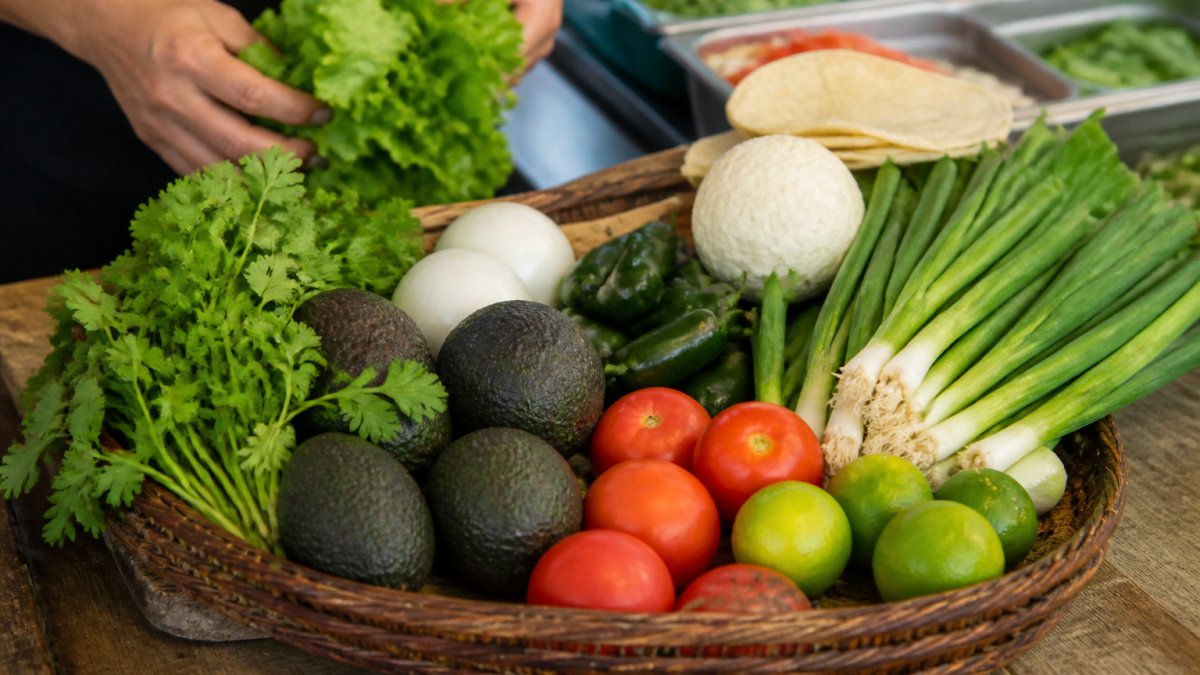
Fresh Mexican ingredients should have vibrant colors, firm texture, and strong aromas that signal quality and ripeness. Check tomatoes for deep red color and sweet smell, chiles for glossy skin and firmness, avocados for gentle give when pressed, and cilantro for bright green leaves and fresh scent to ensure you're selecting the best fresh Mexican ingredients for authentic flavor.
- Fresh tomatoes and tomatillos should feel firm with slight give, have vibrant color, and smell sweet and earthy
- Fresh chiles need thin glossy skin with no wrinkles and should snap slightly when bent
- Avocados are ripe when they yield to gentle palm pressure; use the stem test by flicking off the cap to check for green underneath
- Cilantro lasts only two to three days and should be stored upright in water like cut flowers
- Buy fresh produce in quantities you will cook within one week to minimize spoilage
Table of Contents
- Why Fresh Ingredients Matter in Mexican Cooking
- How to Spot Fresh Tomatoes and Tomatillos
- How to Choose Fresh Chiles for Authentic Flavor
- Selecting Ripe Avocados and Other Fresh Produce
- How to Tell if Cilantro Is Fresh and Aromatic
- Building Your Mexican Grocery List for Beginners
- Start Shopping for Authentic Ingredients Today
- Frequently Asked Questions
Why Fresh Ingredients Matter in Mexican Cooking
Spotting fresh Mexican ingredients is the foundation of authentic flavor. Shopping for fresh Mexican ingredients means investing in the taste and texture that make traditional dishes memorable.
Fresh ingredients deliver vibrant colors, bold aromas, and complex flavors that dried or aged alternatives cannot match.
The challenge is knowing what to look for. A few simple checks separate genuinely fresh items from those that have been sitting around.
How to Spot Fresh Tomatoes and Tomatillos
Fresh tomatoes should feel firm but yield slightly to gentle pressure, with deep, vibrant red color across the entire surface.
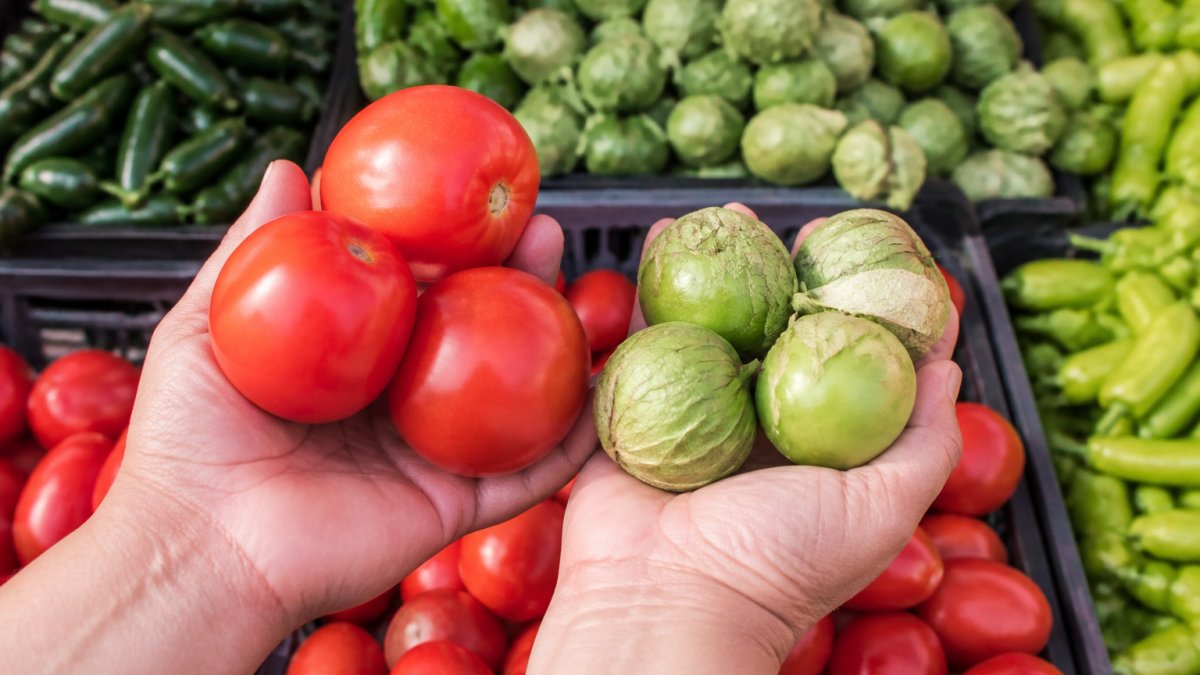
Tomatillos come wrapped in a papery husk that should be loose and easy to peel back.
Here's what to check:
- Color: Deep red for tomatoes, bright green for tomatillos
- Firmness: Slight give when pressed gently, not mushy
- Smell: Sweet, earthy aroma indicates ripeness
Buy tomatoes and tomatillos in season, spring through fall brings the most flavorful options, while off-season tomatoes tend to be pale and watery.
Check these key qualities to identify fresh tomatoes and tomatillos at the market.
| Ingredient | Color | Firmness | Other Signs |
|---|---|---|---|
| Tomatoes | Deep red across entire surface | Firm but yields slightly to gentle pressure | Sweet, earthy smell; no cracks or bruises |
| Tomatillos | Bright green | Firm | Loose papery husk; heavy for size; slight waxy coating |
How to Choose Fresh Chiles for Authentic Flavor
Fresh chiles are where many home cooks stumble.
Press a chile gently between your fingers. It should feel firm and snap slightly if you bend it.
Common fresh chiles for Mexican cooking include:
- Jalapeños: Green or red, medium heat, grassy flavor
- Serranos: Smaller than jalapeños, hotter, bright taste
- Poblanos: Large, mild, earthy, perfect for roasting
Fresh chiles bring immediate, bright heat; dried chiles develop deeper, smokier flavors. Many authentic recipes use both, so understanding the distinction helps you choose correctly.
Store fresh chiles in the refrigerator crisper drawer. They'll stay fresh for up to two weeks.
Selecting Ripe Avocados and Other Fresh Produce
Avocados, limes, onions, and garlic each have their own freshness signals. Treating them as one category is how home cooks end up with rock-hard avocados on taco night and moldy garlic three days later. Here is how to inspect, store, and spot spoilage in each.
Avocados
A ripe avocado yields to gentle pressure in the palm of your hand, not under your thumb. Rock hard means two to five days on the counter; if your fingers leave an indentation, it is past its peak.
Hass avocados darken as they ripen, but color is unreliable across varieties. The stem test is more dependable: flick off the small stem cap.
Store uncut avocados on the counter until ripe, then refrigerate for three to five days. Once cut, press plastic wrap against the flesh, add lime, and refrigerate; use within two days. Sour smell or gray-brown streaks mean it has oxidized past use.
Limes
A fresh lime feels heavy for its size, that weight is juice. Roll it on the counter; a thin-skinned lime gives slightly and feels springy, while a thick, puffy-skinned lime is often dry inside.
Limes keep for about a week at room temperature and up to three weeks in the refrigerator crisper drawer. Store them whole; cut limes dry out within a day even when wrapped.
Onions
White and red onions should feel firm and heavy, with dry, papery skin that rustles. A soft neck, damp patches, or a sprout pushing out of the top means the onion is breaking down.
Keep whole onions in a cool, dark, well-ventilated spot, not in the refrigerator, where humidity makes them soft and moldy. Once cut, wrap tightly and refrigerate for up to four days.
Garlic
Choose heads that feel heavy and tight, with papery skin intact and no green sprouts. A sprouting clove is edible but tastes bitter and grassy. Squeeze gently: cloves should be hard, not spongy.
Store whole heads in a mesh bag or open bowl at room temperature, away from sunlight, for up to several months. Do not refrigerate whole heads, cold and moisture encourage mold.
A note on freshness versus authenticity
Freshness is a quality signal, not a test of authenticity. A firm, juicy lime is simply a better lime; it does not make a recipe more or less traditional. Use these checks for better flavor and longer shelf life, and treat authenticity as a separate question about technique and ingredients.
Shopping across store types
At a farmers market, ask the vendor when the item was picked and how it was stored, that beats any visual cue. At a supermarket, check the bottom of the pile and inspect cut stems and root ends rather than the display face. At a Mexican grocery, ask staff how they use unfamiliar produce and buy only what you can use within the storage windows above.
How to Tell if Cilantro Is Fresh and Aromatic
Fresh cilantro has bright green leaves with no yellowing or browning. Smell it before buying, the aroma should be strong and fresh, not musty or faint.
Check the cut end: brown or dark means it has been sitting for days, while a fresh cut end is light green or white.
Cilantro doesn't last long.
Fresh cilantro is almost always better than dried, whose flavor profile changes dramatically.
Building Your Mexican Grocery List for Beginners
A beginner's list is less about collecting every ingredient and more about buying in an order that matches how fast each item spoils. Fresh herbs and avocados have a short window; onions, garlic, and limes last longer; pantry staples last for months. Build your list in those tiers to waste less and cook more.
Tier 1: Use within a few days
- Cilantro, one bunch per week if you cook often; it declines within two to three days of purchase.
- Avocados, buy one ripe for today and one firm for later in the week.
- Tomatoes, two to three ripe ones for salsa or pico; use within a few days of ripening.
Tier 2: Use within one to three weeks
- Limes, a bag lasts about a week on the counter or up to three weeks refrigerated.
- Onions, white and red; store cool and dry, not refrigerated.
- Garlic, one or two heads; keeps for months at room temperature.
Tier 3: Pantry staples
- Dried chiles, ancho, guajillo, and chipotle cover most recipes; store airtight away from light.
- Dried beans, black and pinto; buy in quantities you will finish within a few months.
- Masa harina, for tortillas; keep sealed and use within a few months of opening.
How much to buy
Buy fresh produce in the quantity you will actually cook in one week. A bunch of cilantro, two or three tomatoes, and a couple of avocados is a realistic starter basket for one or two people cooking two or three Mexican meals. Bulk limes or crates of avocados usually end in spoilage that costs more than the savings.
Substitutions when fresh is unavailable
- Fresh tomatillos out of season, jarred or canned tomatillos work for salsa verde; drain and adjust salt.
- Fresh chiles unavailable, dried chiles reconstituted in hot water substitute for fresh in cooked sauces, though the flavor is deeper and smokier rather than bright.
- Fresh cilantro unavailable, flat-leaf parsley is the closest fresh substitute; dried cilantro loses most of its aroma and is not a good swap.
- Fresh limes unavailable, bottled lime juice works in a pinch but tastes flatter; use it in cooked dishes rather than in fresh salsas or garnishes.
Assessing unfamiliar produce at a Mexican grocery
If you encounter unfamiliar produce, start with the same three checks: firmness, smell, and the condition of the stem or root end. Ask staff how they prepare it and whether it is eaten raw or cooked, that tells you how ripe it should be. Buy a small amount the first time, cook it simply, and decide whether to buy more.
A simple starter basket
For a first shopping trip, a practical basket is: two or three ripe tomatoes, one or two avocados, one bunch of cilantro, four to six limes, one white onion, one head of garlic, a handful of jalapeños, a pound of dried black beans, a bag of masa harina, and one or two dried chiles. That covers pico de gallo, guacamole, a simple bean dish, and fresh tortillas, enough to cook several meals and learn how each ingredient behaves before you expand.
Start Shopping for Authentic Ingredients Today
Building meals with fresh Mexican ingredients transforms your cooking. The vibrant colors, bold aromas, and complex flavors make every dish taste more authentic, and knowing how to spot quality produce gives you confidence in the kitchen.
The best way to learn is to start shopping and experimenting. Visit your local grocery or Mexican market, pick up a few fresh ingredients, and try a simple recipe.
When you're ready to explore Taqueria El Noa Noa's menu, browse the full menu. The menu includes tacos, burritos, quesadillas, and breakfast, prepared daily with high-quality meats, tortillas, and fresh toppings. Find our location and hours to visit us on Hwy 82, or order pickup online.
Frequently Asked Questions
How can you tell if Mexican ingredients are fresh?
Fresh Mexican ingredients show clear visual and tactile signs. Tomatoes and tomatillos feel firm when gently squeezed, have vibrant color, and smell fragrant at the stem. Cilantro leaves stand upright with no slime or browning. Avocados yield slightly to thumb pressure without being mushy. Chiles are smooth, glossy, and free of wrinkles or soft spots. Fresh limes are heavy for their size and have thin, unblemished skin. Check the aroma, fresh herbs and produce should smell alive, not musty or fermented.
What fresh ingredients are commonly used in Mexican cooking?
Authentic Mexican cuisine relies on tomatoes, tomatillos, avocados, cilantro, limes, and fresh chiles as foundational fresh ingredients. Onions and garlic add depth, while jalapeños, serranos, and poblanos bring heat and flavor. Fresh epazote and oregano appear in traditional dishes. Radishes, lettuce, and cabbage serve as crisp toppings. These fresh ingredients work together to create the vibrant flavors that define Mexican recipes, from salsas to quesadillas to tacos.
How do you choose ripe tomatoes and tomatillos?
Ripe tomatoes should be deep red or orange-red with no green shoulders, feel heavy for their size, and yield slightly to gentle pressure. Avoid any with cracks, bruises, or soft spots. Tomatillos are ready when they split their papery husks and turn bright green or yellowish-green. They should feel firm and smell slightly sweet. Both should have a pleasant aroma at the stem end. Shop at farmers markets or specialty stores where produce turns over quickly for the freshest selection.
What should fresh chiles look and feel like?
Fresh chiles have smooth, glossy skin with vibrant color, whether deep red, bright green, or orange depending on the variety. They feel firm and heavy when held, with no wrinkles, soft spots, or blemishes. Skin should be taut, not shriveled. Smell near the stem for a fresh, vegetal aroma. Avoid any with dark patches, mold, or a mushy feel.
The foundation of great Mexican food is simple: start with the freshest ingredients you can find, learn to recognize quality, and trust your senses. When you do, every meal becomes an opportunity to taste authentic flavor.