 how-to
How to Identify Fresh Tacos: A Practical Checklist
Table of Contents
- How to Identify Fresh Tacos at a Glance
- How to Tell If Tortillas Are Fresh
- How to Identify Fresh Meat in Your Tacos
- Fresh Taco Toppings: What to Look For
- Food Safety and Freshness Warning Signs
- Assessing Freshness When Ordering Takeout or Delivery
- Frequently Asked Questions
Last Updated: October 18, 2026
How to Identify Fresh Tacos at a Glance
Fresh tacos are about texture, temperature, and ingredient quality, not just taste.
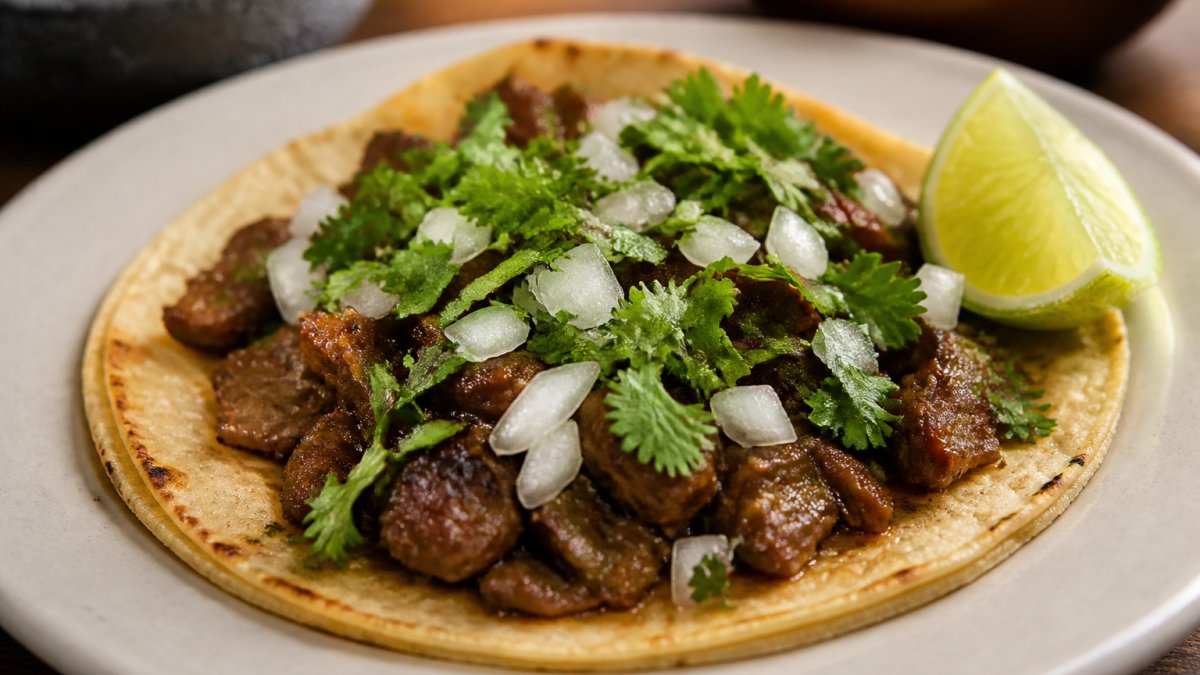
Identifying fresh tacos means checking every component, tortilla, meat, and toppings, and how they work together. Use this checklist to spot the difference.
Here's what to look for:
- Tortilla warmth: The tortilla should feel warm to the touch, not room temperature or cold
- Tortilla pliability: It should bend easily without cracking or tearing
- Meat heat: The filling should steam slightly when you open the taco
- Meat juiciness: The meat should glisten, not look dry or shrunken
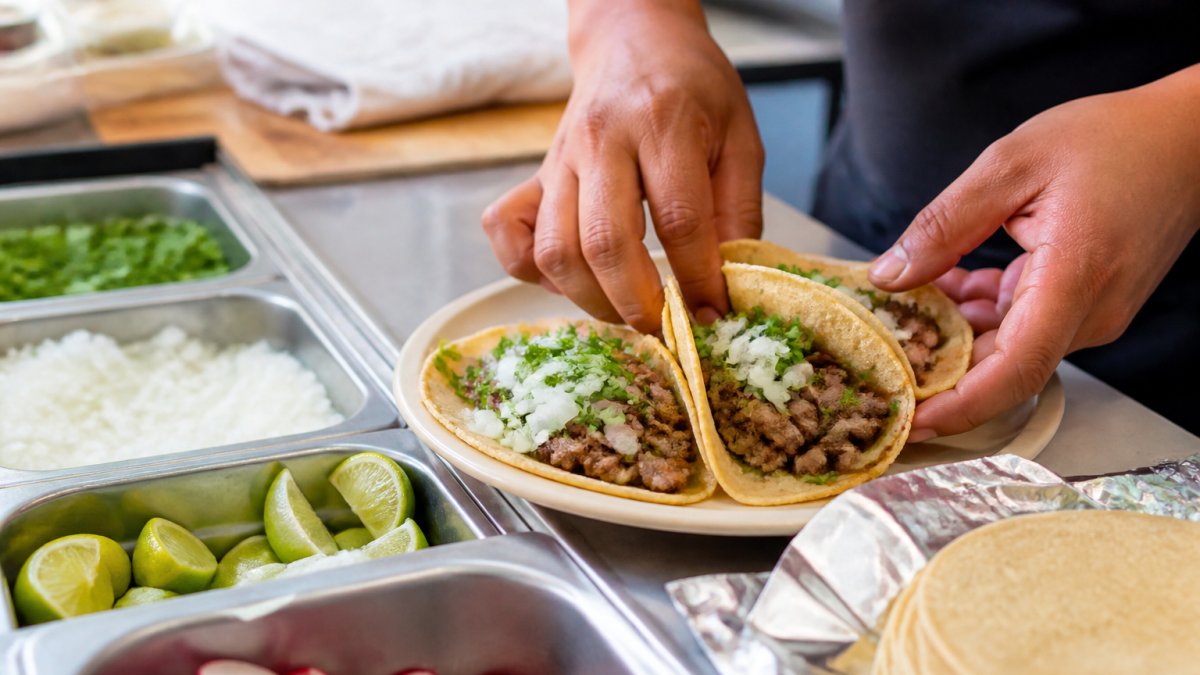
- Topping freshness: Cilantro should be green and fragrant, onions should be white and crisp, not brown or limp
- Overall appearance: The taco should look freshly assembled, not like it's been sitting in a warming case
How to Tell If Tortillas Are Fresh
The tortilla is the foundation of every taco, and the best are made fresh daily, not shipped in frozen or stored for weeks.
Freshly Made Versus Commercially Supplied Tortillas
Freshly made tortillas have a completely different texture and flavor than mass-produced ones. A tortilla made that morning is soft, tender, and slightly warm, with an unmistakable mild, sweet corn aroma.
A fresh corn tortilla should have a slight roughness, meaning the masa (corn dough) was worked minimally to preserve the corn's character. A smooth, uniform tortilla usually means added binders or commercial processing.
Texture, Pliability, and Warmth
A fresh tortilla bends without resistance and gives way easily when pressed. If it cracks or feels brittle, it's old or stored improperly.
Warmth matters: the best tortillas come off the griddle minutes before serving. A cold tortilla signals it's been sitting around, and temperature affects both taste and how well it holds the filling.
Moisture content is critical. A fresh tortilla is tender without being soggy and shouldn't stick to your hands. Dry and papery means too much air exposure; wet or slick means it's breaking down from overlong airtight storage.
How to Identify Fresh Meat in Your Tacos
The meat is where quality really shows: fresh, well-cooked meat is juicy, tender, and flavorful, while dry, tough meat that tastes heat-lamped signals poor handling.
Color, Juiciness, and Seasoning Signs
Look at the color first. Fresh carne asada should have a rich brown charred exterior with some pink inside, gray or pale means it was cooked long ago or reheated repeatedly.
Juiciness is your clearest indicator: press the meat gently with a fork and fresh meat releases its juices, while dry meat crumbles or resists. It's the single biggest difference between meat cooked hours ago and meat cooked this morning.
Seasoning should be balanced, salt, spices, and the meat's natural flavor, not one-dimensional saltiness. Well-seasoned fresh meat has layers of flavor; reheated meat tastes flat.
Char, Smokiness, and Cooking Method
Fresh grilled meat has visible char marks from direct heat, and char adds flavor, not just looks. A taco with no char usually means the meat was pan-cooked, steamed, or cooked long ago.
Smokiness should be present but not overwhelming. Heavy smoke or charring smells mean the meat was overcooked; properly cooked fresh meat has a subtle smoky aroma, not an acrid one.
Grilled meat develops a crust and stays juicy inside, while steamed or boiled meat lacks that textural contrast.
Fresh Taco Toppings: What to Look For
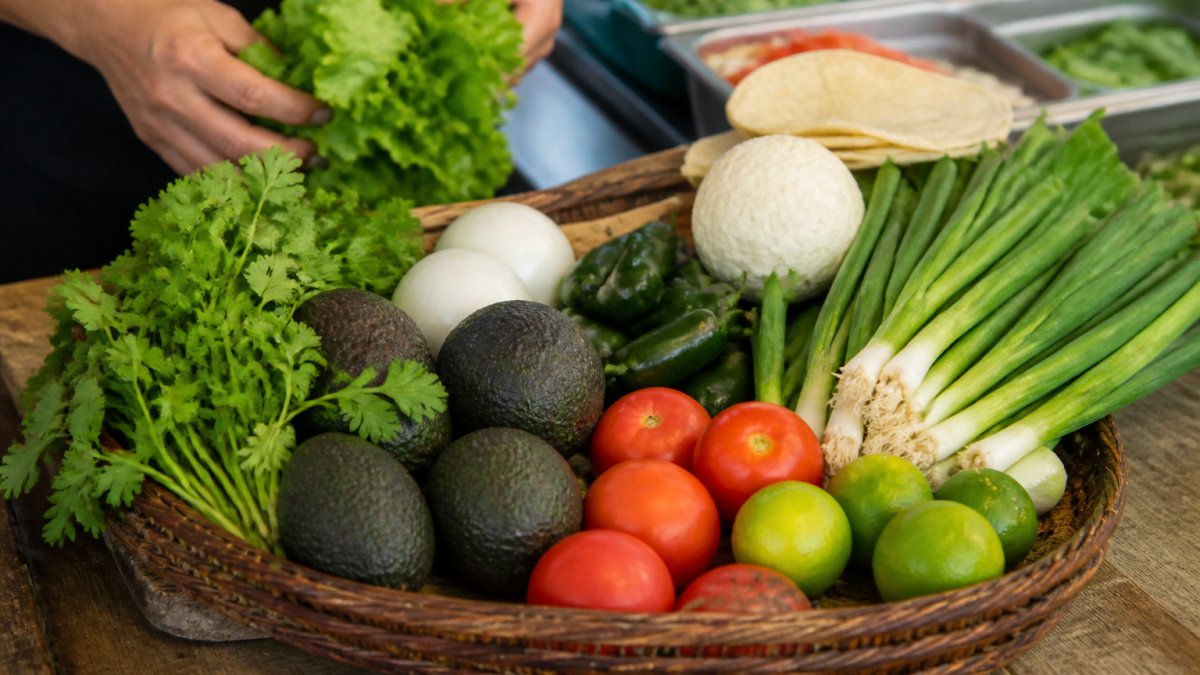
Toppings can hide poor quality. Wilted cilantro, brown onions, or mushy nopales signal old toppings; fresh ones are crisp, vibrant, and fragrant.
Cilantro should be bright green with no brown spots or yellowing and smell fresh and slightly peppery.
Nopales (cactus) should be tender but still have some bite, never mushy or slimy.
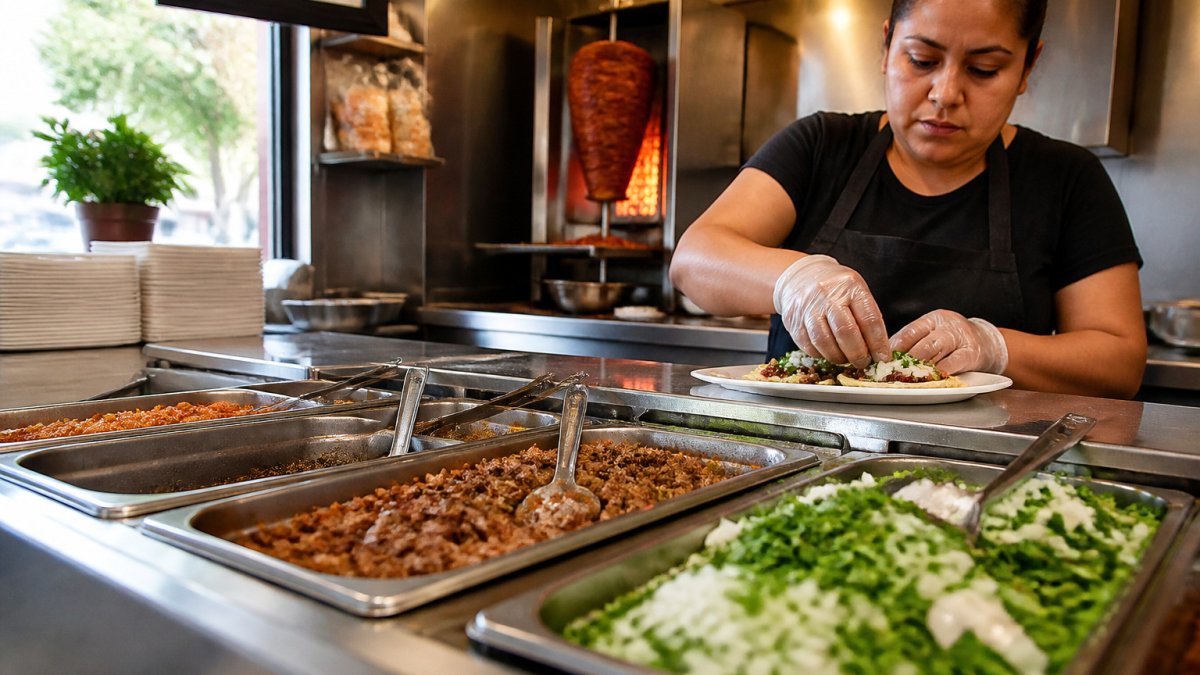
The best taco shops refresh toppings frequently. Toppings in open containers in a warm kitchen deteriorate quickly; covered containers or frequent replenishment signal good practices.
Food Safety and Freshness Warning Signs
Freshness and food safety overlap but aren't the same thing. A taco can look and taste fresh while sitting in a temperature range where bacteria multiply quickly. Separate observable spoilage cues from holding-temperature and time cues, because each points to a different problem.
Spoilage cues you can see, smell, and feel
- Meat: Sour, ammonia-like, or putrid odors are the clearest red flags. Gray, green, or iridescent patches beyond normal cooked color, a tacky or slimy surface, or meat that feels sticky rather than juicy all suggest the filling has been held too long. Reheated meat that has dried into hard edges and a gray interior is a freshness problem even when it is not yet a safety problem.
- Tortillas: Visible mold, a musty or damp-basement smell, or tortillas that feel clammy and stick together in the package are signs of spoilage or poor storage. A fresh corn tortilla should smell like toasted corn, not like plastic or refrigeration.
- Toppings: Slimy onions, cilantro that has gone dark and limp, brown-edged avocado, or salsa that tastes fizzy or fermented are all past their prime. Salsa that has separated and smells sharp is a particular concern because it is often held at room temperature.
- Garnishes: Lime wedges that are dried out or have mold on the cut face, and radishes that are soft or slippery, indicate a garnish station that is not being refreshed.
Holding-temperature and time cues
FDA and USDA guidance centers on the 'temperature danger zone' between 40°F and 140°F, where bacteria grow fastest. Hot fillings should be held at or above 140°F and cold toppings at or below 40°F.
Time matters as much as temperature. The FDA's food code sets a four-hour limit for foods held in the danger zone, and many operators use tighter windows for cut produce and salsas.
Operational red flags
- Meat being reheated more than once, or a warmer that is switched off between rushes.
- Toppings sitting in open containers in a warm kitchen, with no ice or refrigeration.
- A single salsa bowl that is topped up throughout the day rather than replaced.
- Tortillas held in a plastic bag on the counter rather than in a warmer or on the griddle.
- Staff handling garnishes with bare hands or reusing the same tongs for raw and cooked items.
When to ask, and when to walk away
Asking when the food was prepared is reasonable, and reputable taquerías will answer. A vague answer is a warning. Do not eat meat that smells sour, tortillas with visible mold, or slimy or fermented toppings. If you're in a higher-risk group, pregnancy, older age, or a weakened immune system, skip lukewarm fillings and room-temperature salsas entirely.
Assessing Freshness When Ordering Takeout or Delivery
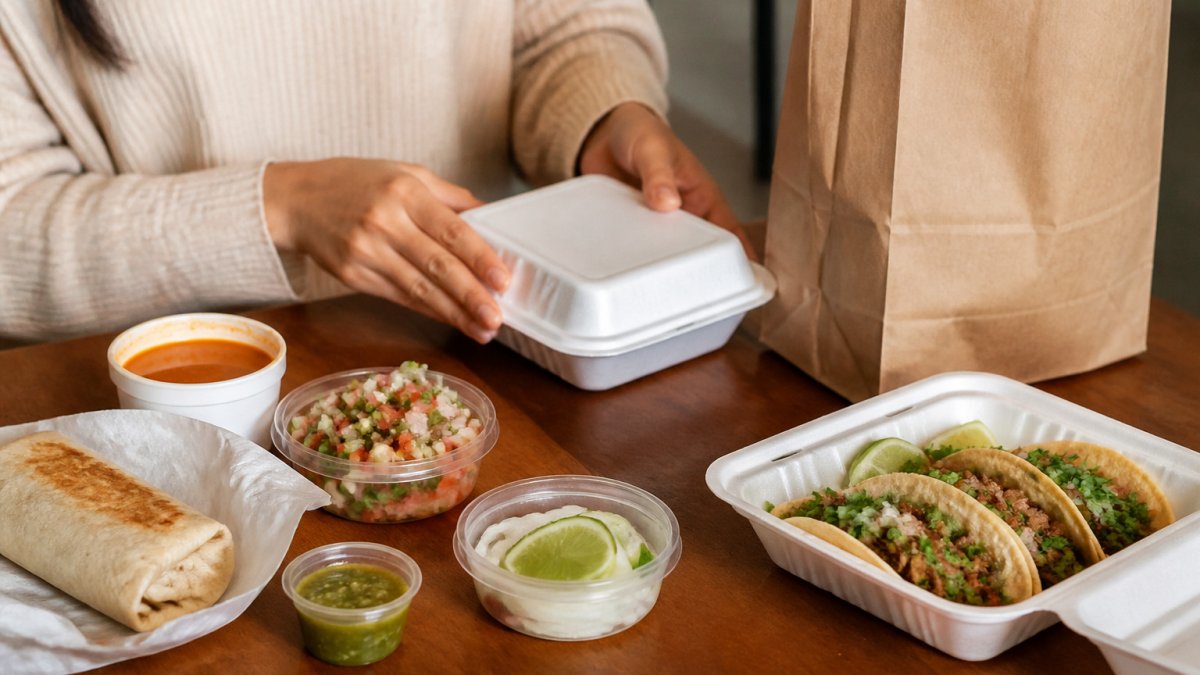
Most freshness advice assumes the taco is eaten within a minute of leaving the griddle, but takeout and delivery break that assumption. The useful question is which parts of freshness survive the trip, and which you can still evaluate when the bag arrives.
What travels well and what does not
- Tortillas: The weakest link. A warm tortilla in a closed container traps steam, and the underside absorbs moisture from the filling. Corn tortillas go from pliable to soggy in roughly 10 to 15 minutes; flour tortillas hold slightly longer but can turn gummy. A tortilla that arrives stuck to the filling or tearing apart is not a freshness failure at the source, it is a packaging and time failure.
- Meat: Holds heat longer than tortillas, especially in insulated packaging, but dries out as it cools. Grilled and charred meats lose their crust texture fastest. Slow-cooked fillings like carnitas and barbacoa hold up better because their moisture comes from within.
- Toppings: Cilantro and onion wilt and soften quickly in a sealed container. Lime wedges dry out. Avocado oxidizes and browns. These are the components most worth ordering on the side.
- Salsa: Travels well if packed separately. Salsa packed directly onto the taco is the single fastest way to guarantee a soggy tortilla.
A practical takeout checklist
- Order components separately when possible. Ask for tortillas, meat, toppings, and salsa in separate compartments. Assembling at home takes 30 seconds and preserves far more texture than any insulated bag.
- Ask for tortillas on the side, or double-wrapped. A second tortilla or a paper liner between tortilla and filling slows moisture transfer.
- Choose fillings that travel. Grilled steak and pastor are best eaten immediately; carnitas, barbacoa, and chicken hold up better over 15 to 20 minutes.
- Time the order. Pickup beats delivery for freshness because you control the handoff. If you order delivery, order during peak hours when ingredients are moving quickly and cook-to-order is more likely.
- Check the bag on arrival. The container should feel warm, not hot enough to steam. Open it immediately rather than letting it sit sealed.
Reading the container when it arrives
- Condensation: Heavy water droplets on the lid mean steam has been trapped. Expect a softer tortilla.
- Temperature: The meat should still be warm to the touch. If the container is room temperature, the food has been out too long.
- Separation: Salsa that has leaked into the tortilla compartment, or toppings mixed into the meat, tells you the packaging was not designed for travel.
- Smell: A fresh bag should smell like toasted corn and seasoned meat, not like wet paper or old oil.
Timing benchmarks
Operators who take takeout seriously target a 10-to-15-minute window from assembly to eating. Beyond about 20 minutes, the tortilla fails first, followed by herbs and avocado. If the quoted delivery time is over 30 minutes, expect a soft tortilla and wilted herbs, and order fillings that hold up.
Setting fair expectations
Takeout and delivery will never match a taco eaten at the counter, and that's not a sign the kitchen is careless. The fair test is whether the components arrived in good condition: warm meat, separate salsa, green herbs, and tortillas soft rather than disintegrating. Judge the taquería on how well it packages for travel.
Frequently Asked Questions
What are the signs of a freshly made tortilla?
Fresh tortillas are warm to the touch, soft and pliable enough to fold without cracking, and have a faint corn aroma. The surface should feel slightly moist and rough rather than smooth or waxy. If a tortilla is cold, stiff, or has a papery texture, it's been sitting out or was reheated. Freshly made tortillas often have light char marks from the griddle and tear easily when you test them gently.
How can you tell if taco meat is fresh?
Fresh taco meat should be hot and steaming when served, never lukewarm or cold. Look for vibrant color, carne asada should be well-browned with charred edges, not gray or dull. The meat should be juicy and tender, not dry or tough. Well-seasoned meat has visible spices and a savory aroma, and it should hold together without falling apart. If the meat smells off or tastes bland, it's likely been sitting too long or wasn't prepared fresh that day.
How can you tell whether taco toppings are fresh?
Fresh taco toppings like cilantro, onion, and nopales should be vibrant in color and firm to the touch. Cilantro should smell herbaceous and bright, not wilted or brown. Onions should be crisp and have a sharp bite, not soft or slimy. Salsa should look freshly made with visible chunks of tomato and herbs, not watery or separated. Avoid tacos where toppings appear discolored, have a slimy texture, or have been sitting in liquid for hours.
Should fresh tacos have crisp or soft tortillas?
Fresh tacos should have soft, pliable tortillas, not crisp ones. A crisp tortilla indicates it's been fried, dried out, or reheated. Authentic fresh tacos use warm, tender corn or flour tortillas that are flexible enough to fold around the filling without breaking. The tortilla should have just enough structure to hold the meat and toppings without tearing, but should still be moist and tender. If a tortilla cracks or shatters when you pick up the taco, it's not fresh.