 ultimate-guide
Benefits of Locally Sourced Ingredients: A 2026 Guide
Last Updated: October 23, 2026
Quick Summary
Locally sourced ingredients are foods grown, raised, or produced within a defined geographic region, typically within a certain distance from where they're sold or consumed. They offer benefits including superior freshness and flavor because produce is harvested at peak ripeness and reaches your plate within days, higher nutrient density, direct economic support for regional producers, and reduced transport and spoilage emissions.
- Local produce harvested at peak ripeness contains higher concentrations of sugars and volatile compounds, creating noticeably better flavor than produce picked early for long-distance transport.
- Money spent on locally sourced ingredients stays in the community longer than dollars spent at chain grocery stores, supporting regional farmers and keeping agricultural land viable.
- Local sourcing most reliably reduces transport and spoilage emissions; production method and packaging depend on the specific supplier and require separate evaluation.
- Define local by radius or region, verify suppliers through farm visits, plan menus around seasonal availability, and track metrics like local-spend share and spoilage rate to maintain a credible program.
Table of Contents
- What Does Locally Sourced Mean
- Freshness and Flavor: Why Local Produce Tastes Better
- Benefits of Eating Local Food
- Local Food and Sustainability: Environmental Impact
- How Restaurants Source Local Ingredients
- The Trade-Offs: What Local Sourcing Cannot Solve
- Frequently Asked Questions
What Does Locally Sourced Mean
Locally sourced ingredients are foods grown, raised, or produced within a defined geographic region, typically within a certain distance from where they're sold or consumed. The definition of "local" varies, some define it as within 100 miles, others as within the same state or region, but the core principle remains consistent: minimizing the distance between producer and consumer.
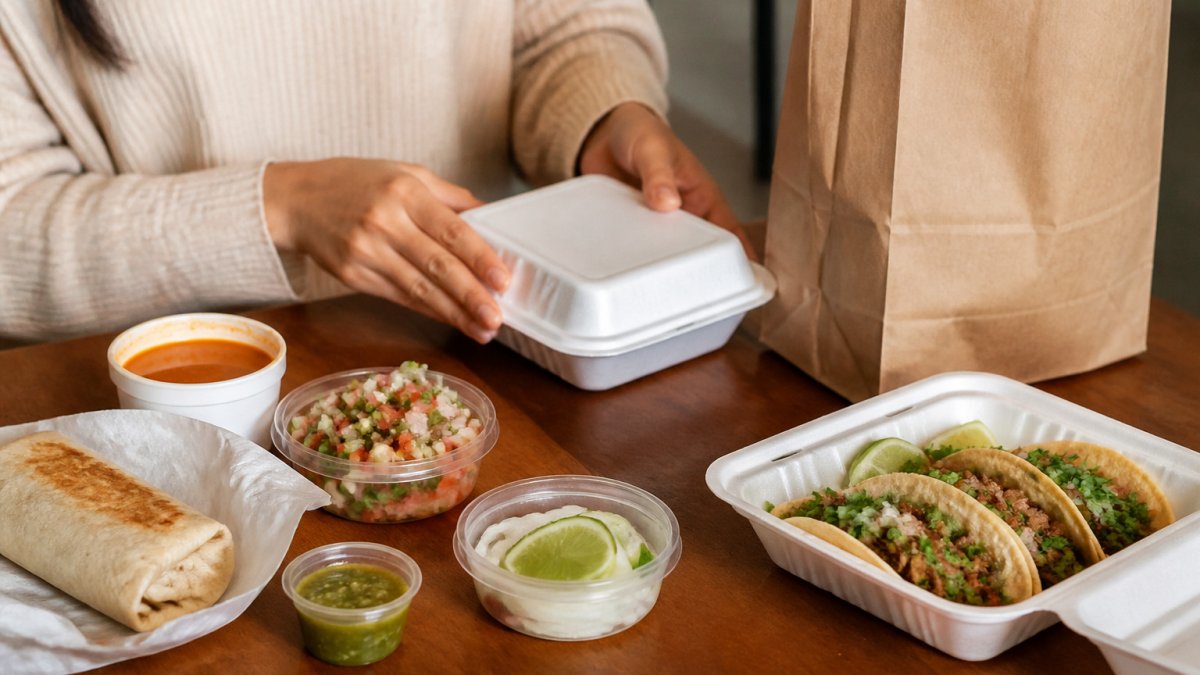
This distinction matters because it shapes everything downstream: flavor profiles, nutritional density, environmental impact, and economic benefit. At Taqueria El Noa Noa, we are dedicated to serving fresh, authentic Mexican cuisine, prepared daily with high-quality meats, tortillas, and fresh toppings.
The term encompasses several categories: produce from farmers markets and community-supported agriculture (CSA) programs, meat from regional ranches, dairy from local creameries, and specialty items like tortillas made fresh by neighborhood producers. What unites them is proximity and, typically, a direct relationship between the business and the source.
Freshness and Flavor: Why Local Produce Tastes Better
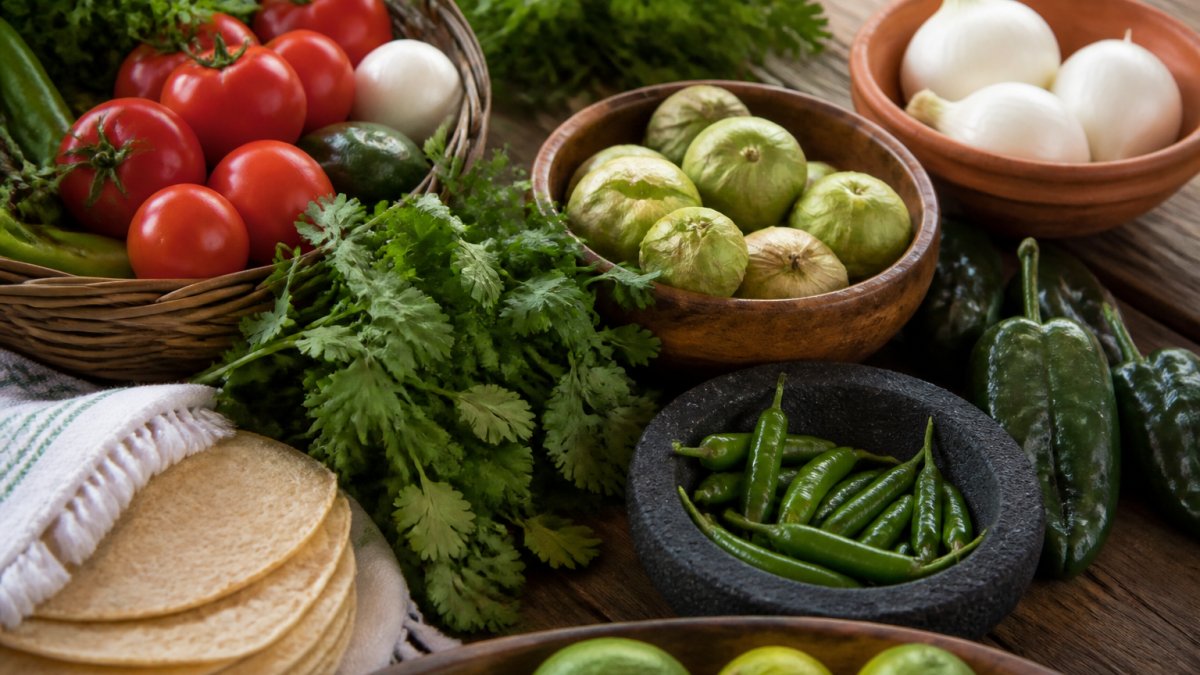
Local produce tastes noticeably better because it's harvested at peak ripeness rather than picked early for long-distance transport. When tomatoes travel 2,000 miles in refrigerated trucks, they're picked green and ripened artificially with ethylene gas. Local tomatoes vine-ripen under the sun and reach your plate within days.
The flavor difference is measurable. Ripe fruit contains higher concentrations of sugars and volatile compounds that create taste and aroma. A strawberry picked ripe and eaten the next day has exponentially more of these compounds than one picked underripe and shipped across the country. This is why farmers market produce tastes like an entirely different food compared to supermarket alternatives.
Texture improves too. Local produce hasn't spent a week in cold storage losing water and firmness. A local bell pepper snaps when you cut it; a week-old supermarket pepper feels slightly soft. For restaurants, this difference translates directly to better dishes, fresher ingredients require less manipulation and seasoning to shine.
The sensory experience extends beyond taste. Locally sourced ingredients often have visible characteristics that signal quality: deeper color, natural imperfections, and the smell of fresh earth. These aren't flaws; they're proof of authenticity.
Benefits of Eating Local Food
Nutrition and Health Outcomes
Local produce typically contains higher nutrient density because it's fresher. Vitamins begin degrading the moment produce is harvested. According to research on local food systems from the American Journal of Public Health, access to fresh local food sources can support improved nutrition when the foods offered are nutrient-dense.
The key phrase here is "when the foods offered are nutrient-dense." Locality alone doesn't guarantee nutrition. A locally sourced candy bar is still candy. The real benefit emerges when local sourcing connects you to whole foods, vegetables, fruits, and sustainably raised proteins, rather than processed items.
According to the U.S. Department of Agriculture's analysis of local food benefits, 45% of consumers perceive locally sourced food as a healthier alternative. This perception often reflects reality: farmers markets and local producers tend to emphasize whole foods over processed ones.
Support for Local Farmers and Producers
When you buy locally sourced ingredients, money flows directly to regional producers instead of multinational supply chains. This matters economically. A dollar spent at a local farm stays in the community longer than a dollar spent at a chain grocery store, where profits flow to corporate headquarters.
Local farmers can invest in their operations, hire workers, and maintain agricultural land that might otherwise be developed. Small producers, whether they're raising livestock, growing specialty crops, or making artisanal products, depend on direct relationships with restaurants and consumers to remain viable.
The Rockefeller Foundation has highlighted locally designed food-is-medicine programs as having potential benefits beyond farm revenue, including job creation and economic activity in communities. When restaurants like ours prioritize local sourcing, we're not just buying ingredients; we're supporting the agricultural ecosystem that keeps our region's food system resilient.
Local Food and Sustainability: Environmental Impact
The environmental case for locally sourced ingredients is real, but it is more complicated than the food-miles shorthand suggests. Distance traveled is only one variable in a food product's carbon footprint, and in some cases it is not the dominant one.
Transport distance and mode. Food miles measure the distance from production to consumption, and shorter supply chains generally mean lower transport emissions. But mode matters as much as miles.
Production method. How food is grown often outweighs how far it travels. Fertilizer production, irrigation pumping, tillage, and livestock feed all carry emissions that can dwarf transport.
Storage and packaging. Long supply chains require cold storage, controlled atmosphere, and protective packaging to survive transit. Those systems consume energy and generate waste. Shorter chains can reduce the need for both, especially when produce moves from field to kitchen in days rather than weeks.
Spoilage and waste. Food waste is a significant source of emissions, and shorter supply chains reduce the window in which produce can spoil. When ingredients arrive days after harvest instead of weeks, kitchens can plan tighter and throw away less.
| Environmental Factor | Local Supply Chain | Industrial Supply Chain |
|---|---|---|
| Transportation Distance | Typically 50-150 miles | Often 1,500-2,000 miles |
| Transport Mode | Mostly truck | Truck, rail, ocean, some air |
| Storage Time | Days | 7-14 days |
| Packaging Intensity | Often lower | Often higher |
| Spoilage Rate | Lower | Higher |
| Production Method | Variable | Variable |
According to Iowa State University research on environmental benefits of local food production, local food production supports a more resilient food system with fewer environmental impacts. The USDA's analysis of local food benefits notes that a meaningful share of consumers associate local sourcing with a reduced carbon footprint.
How Restaurants Source Local Ingredients
Restaurant sourcing begins with identifying reliable producers within your region, but the work that separates a durable local program from a marketing claim happens in verification and measurement.
Define "local" for your operation. Because "local" has no single legal definition, the first step is to write down your own. Many operations choose a radius, such as 100 or 250 miles, while others define it by state or by a named growing region.
Find and vet suppliers. Farmers markets, community-supported agriculture (CSA) programs, regional grower associations, and state agriculture departments are common starting points. Once you have a shortlist, verify origin and practices directly. Useful questions to ask growers include:
- Where exactly is the farm or facility, and can you visit?
- What is the harvest-to-delivery timeline for each product?
- Which items are available in which months, and what happens in the off-season?
- What production practices do you use for soil, water, and pest management?
- What are your minimum order quantities, lead times, and delivery days?
- How do you handle shortfalls when weather or pests reduce yield?
Visiting farms and understanding growing practices remains the most reliable verification method. For products that pass through distributors, ask for origin documentation and confirm which items are genuinely regional versus blended from multiple sources.
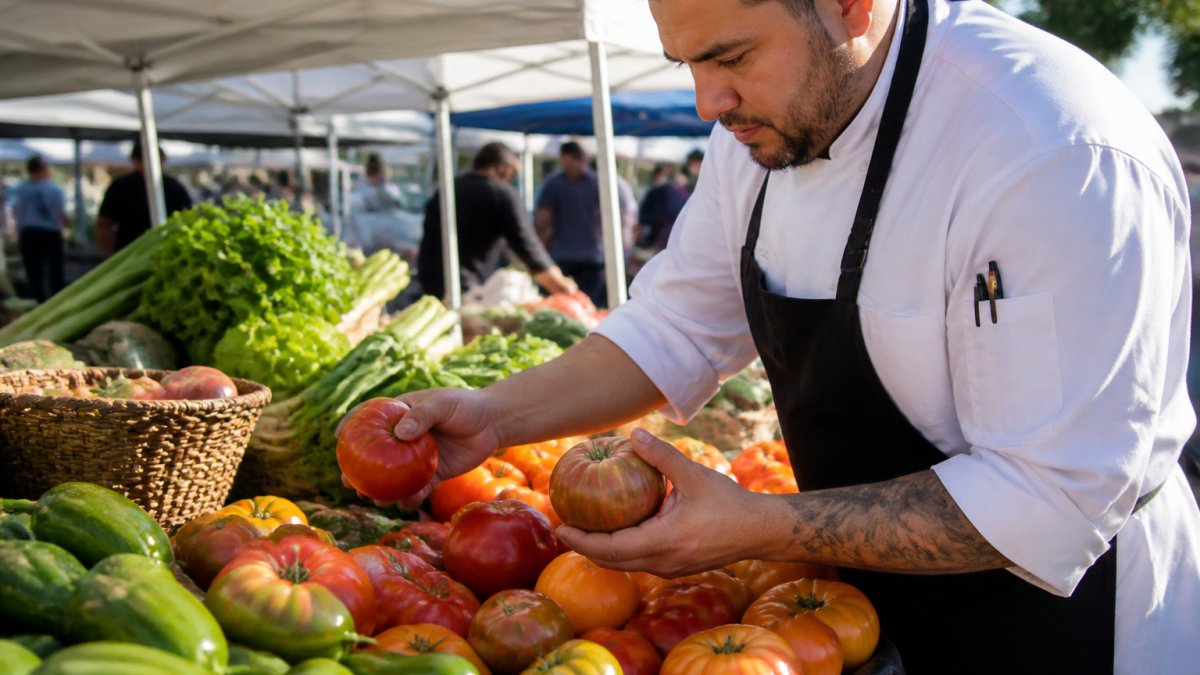
Plan menus around seasonal supply. Local sourcing means the menu changes with the seasons. Summer brings abundant tomatoes and peppers; winter shifts toward root vegetables and storage crops.
Track sourcing metrics. A local program is only as strong as the numbers behind it. Useful measures include:
- Local-spend share: the percentage of total food spend going to producers inside your defined region.
- Spoilage rate: the share of purchased product that is discarded, tracked by category.
- Supplier reliability: on-time delivery rate and fill rate by supplier.
- Seasonal menu coverage: the share of menu items that change with the season.
- Origin verification: the share of local claims backed by a farm visit or written documentation.
These metrics turn local sourcing from a story into an operating system. They also surface trade-offs early, such as when a supplier's volume cannot meet demand or when off-season pricing pushes costs above target.
At Taqueria El Noa Noa, we are dedicated to serving fresh, authentic Mexican cuisine. We specialize in tacos, burritos, quesadillas, and breakfast, all prepared daily with high-quality meats, tortillas, and fresh toppings. Come hungry and enjoy a meal crafted with care.
The Trade-Offs: What Local Sourcing Cannot Solve
Local sourcing isn't a universal solution to every food system problem. Understanding its limitations prevents unrealistic expectations.
Cost can be higher for locally sourced ingredients, particularly for specialty items or during off-season months. A local farmer selling directly to restaurants typically has lower volume than industrial producers, which means higher per-unit costs.
Consistency presents a challenge. A local producer's yield varies with weather, pests, and natural growing cycles. You might get excellent tomatoes in July and smaller quantities in August. Industrial supply chains prioritize consistency; local sourcing requires adaptability.
Scale limitations matter for larger operations. A restaurant serving hundreds of meals daily may not find enough local suppliers to meet volume needs. Local sourcing works best for restaurants that can build menus around available supply rather than demanding supply match predetermined menus.
Sourcing verification requires effort. "Local" lacks legal definition, so you must verify claims yourself. Visit farms, ask questions, understand practices. This takes time that busy operations might not have.
At Taqueria El Noa Noa, we've built our entire operation around fresh, locally sourced ingredients because we believe the quality difference matters. When you order carne asada or quesabirrias prepared with ingredients that arrived days ago, not weeks, you taste the difference.
Frequently Asked Questions
What does locally sourced mean?
Locally sourced means ingredients grown or produced within a defined geographic region, typically within 100-150 miles of where they are sold or used. The exact definition varies by region and business. For restaurants, local sourcing often includes produce from nearby farms, meat from regional suppliers, and dairy from area producers. This proximity reduces transportation time and distance, allowing fresher products to reach your plate faster than ingredients shipped from across the country.
Are locally sourced ingredients fresher than mass-market alternatives?
Yes, locally sourced ingredients typically have a shorter time between harvest and delivery. Items purchased at farmers markets or through direct farm relationships often arrive within days of picking, compared to 5-10 days or longer for mass-market produce. This shorter supply chain means less time for nutrients to degrade, flavors to fade, and spoilage to occur. However, freshness also depends on storage conditions and how quickly you use the ingredients after purchase.
How do locally sourced ingredients support the community?
When you buy locally sourced food, more of your spending stays within the local economy. Farmers and small producers reinvest revenue into their operations, hire local workers, and purchase supplies from nearby businesses. This creates a multiplier effect: local jobs support local families, who spend at other local businesses. Community-supported agriculture programs and farmers markets also build direct relationships between producers and consumers, strengthening neighborhood connections and food security.
How can I tell if a restaurant actually uses local ingredients?
Ask the restaurant directly about their sourcing practices and which local suppliers they work with. Authentic local sourcing means they can name specific farms or producers and describe their sourcing region. Look for menus that mention seasonal availability and change with the harvest. Some restaurants display supplier information or offer farm tours. Be cautious of vague claims like 'farm-fresh' without specifics. Restaurants committed to local sourcing are usually proud to share those details.