 how-to
What Makes Authentic Mexican Tacos: A Guide
Table of Contents
- What Makes Authentic Mexican Tacos Different
- Corn Tortillas for Tacos: The Foundation
- Traditional Taco Fillings and Meat Preparation
- Mexican Taco Toppings: Simple and Fresh
- How to Make Street Tacos at Home
- Regional Variations Across Mexico
- Authentic vs. American-Style Tacos
- Frequently Asked Questions
Last Updated: October 10, 2026
What Makes Authentic Mexican Tacos Different
Authentic Mexican tacos are built on restraint and quality ingredients, not volume or complexity.
The biggest mistake people make is piling on toppings. Authentic Mexican tacos use onion, cilantro, lime, and salsa, nothing more. This approach isn't about being minimalist for style. It's about respect for the ingredient quality.
The foundation of authentic Mexican tacos rests on three non-negotiables: hand-sized soft tortillas, flavorful grilled meat, and fresh toppings prepared daily. Everything else is secondary.
Corn Tortillas for Tacos: The Foundation
Corn tortillas are the only acceptable base for authentic Mexican tacos. Flour tortillas are common in Northern Mexico and the American Southwest, but traditional street tacos across most of Mexico use corn.
Why corn? The flavor is subtle but distinct. Corn tortillas have a slightly sweet, earthy taste that complements grilled meat without competing. Flour tortillas are neutral and thicker; they can overpower delicate seasonings. Fresh corn tortillas have a tender texture that tears slightly when you bite into them, which is exactly what you want.
Masa Versus Packaged Tortillas
Look for tortillas made from masa (corn dough), not cornmeal. The difference matters. Masa-based tortillas stay pliable and won't crack when you fold them. They also taste fresher because they're typically made daily or within hours of purchase.
Packaged tortillas from grocery store shelves are often made with masa harina (dehydrated masa flour) and preservatives. They last longer but lose texture and flavor quickly.
If you have access to a tortillería, buy tortillas made that day. If not, look for packages with the shortest ingredient list and no added gums or dough conditioners. Store-bought tortillas stay fresher longer if you refrigerate them after opening.
Warming and Preparation Technique
Never use cold tortillas. Warming activates the starches and makes the tortilla pliable enough to fold without cracking. The method matters.
The best method is warming directly over a gas flame. Hold the tortilla with tongs and rotate it over medium-high heat for about 10-15 seconds per side.
If you don't have a gas flame, use a cast-iron skillet or griddle on medium-high heat.
Avoid microwaving. Microwaves make tortillas rubbery and destroy the texture. If you must use a microwave, wrap tortillas in a damp paper towel and heat for 15-20 seconds, but this is a last resort.
The Double-Tortilla Tradition
Many authentic Mexican taquerias use two corn tortillas per taco instead of one. This isn't waste, it's technique. A double tortilla provides structural integrity.
Double tortillas also allow you to eat the taco with your hands without the bottom tortilla breaking apart. If you're using fresh, thin corn tortillas, doubling them is standard practice in Mexico City, Oaxaca, and many coastal regions.
Warm both tortillas together, stack them, and assemble your taco as normal. The two tortillas will stay together naturally once you add the warm filling.
Traditional Taco Fillings and Meat Preparation
The filling is where authentic Mexican tacos show their identity. The meat isn't just cooked, it's seasoned, grilled, and prepared with technique. This is the difference between a taco that tastes like something and a taco that tastes like nothing dressed up.
Carne Asada and Grilled Meats
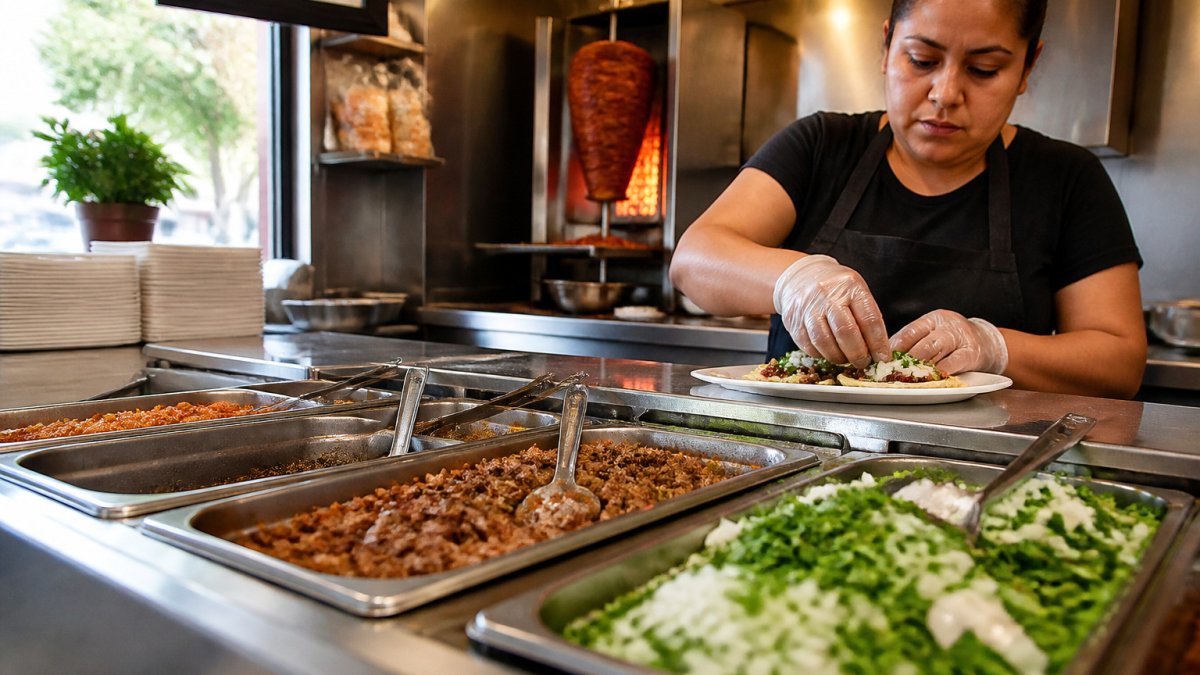
Carne asada is the most recognizable authentic taco filling. It's beef, usually skirt or flank steak, grilled over high heat until it develops a charred crust. The meat stays juicy inside because it's cut thin and cooked fast.
Other popular grilled meats include al pastor (marinated pork cooked on a vertical spit) and pollo asado (grilled chicken). Each has a specific cooking method and marinade.
The crust matters. When meat hits a hot grill, the surface caramelizes. This creates flavor that boiling can never achieve. This is why authentic tacos taste different, the cooking method itself changes the final product.
Seasoning and Spices
Authentic Mexican taco seasoning is simple: cumin, chili powder, garlic, salt, and lime juice. That's it. No taco seasoning packets with fillers and preservatives.
The seasoning happens in two stages. First, the raw meat gets rubbed with dry spices and sometimes marinated for hours. Second, lime juice and fresh cilantro are added after grilling. This two-step approach keeps the meat tender while building layered flavor.
Lime is non-negotiable. It brightens the meat and cuts through richness. A squeeze of fresh lime over a finished taco changes everything.
Mexican Taco Toppings: Simple and Fresh
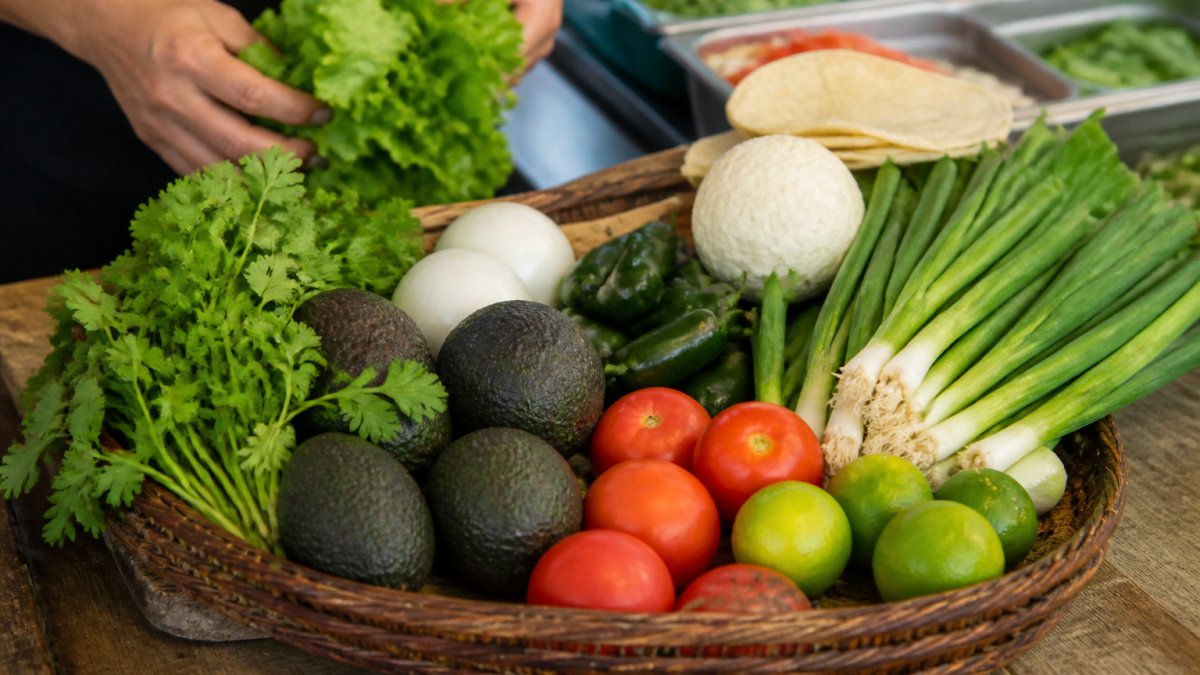
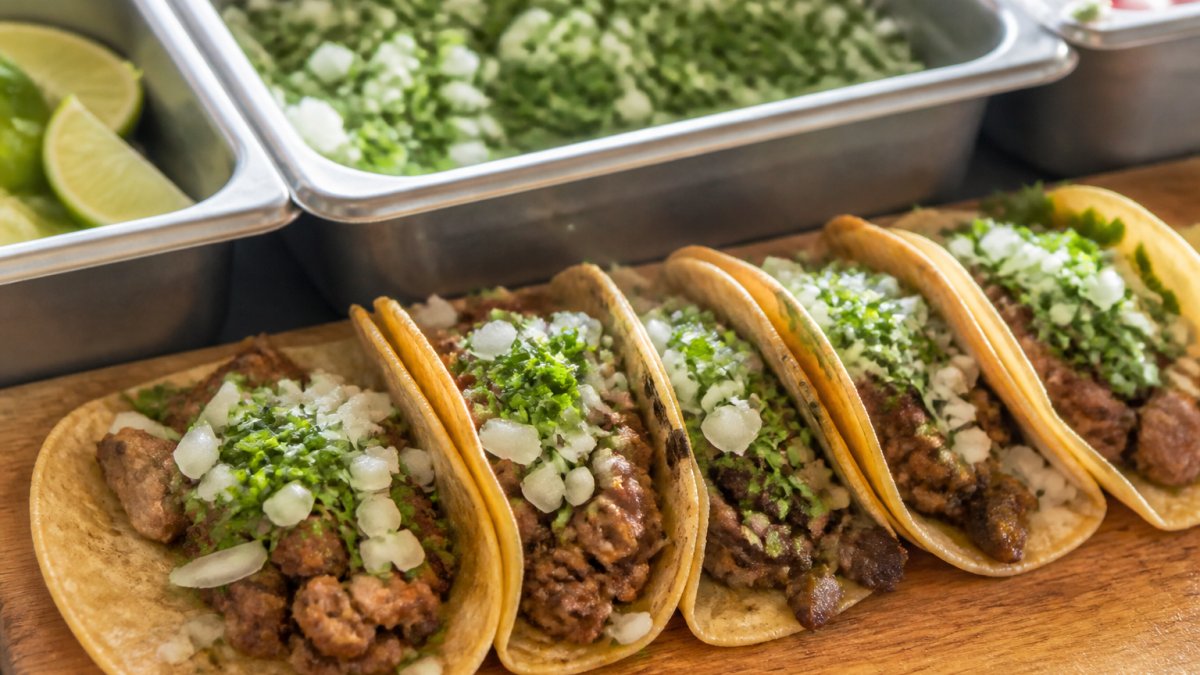
Authentic Mexican tacos use four core toppings: diced onion, fresh cilantro, lime wedges, and salsa. Some regions add jalapeños or cotija cheese, but these are additions, not requirements. The key is restraint, each topping should enhance the meat, not bury it.
Core Toppings: Onion, Cilantro, and Lime
The onion should be white and diced small. Raw onion adds crunch and sharpness that balances rich, fatty meat. The cilantro should be chopped fresh, not dried. Fresh cilantro has a bright, herbaceous flavor that dried cilantro can't replicate.
Lime wedges are squeezed over the finished taco. This is a last-minute step that awakens all the flavors and cuts through richness. Squeeze generously, lime is not optional.
Salsa Styles and How to Match Them
Salsa is where many home cooks miss the mark. There are three main styles, and each works better with certain fillings.
Salsa Roja (Red Salsa) is made from tomatoes, chiles, garlic, and onion blended together. The heat level varies by region and recipe. Some salsas are mild, others have serious kick.
Salsa Verde is made from tomatillos (not tomatoes), green chiles, cilantro, and onion. It's brighter and more herbaceous than salsa roja.
Pico de Gallo is not blended, it's a fresh salsa made from diced tomatoes, onion, cilantro, jalapeño, and lime juice. It's chunky, bright, and has no heat unless you add jalapeño.
Salsa Freshness and Heat Balance
Salsa should taste fresh, not like it's been sitting in a plastic container for a week. If you're making tacos at home, prepare salsa the same day. Store-bought salsa in jars is acceptable but inferior to fresh.
Heat level matters. A mild salsa (around 500-2,000 Scoville units) won't overpower the meat. A medium salsa (2,000-5,000 units) adds kick without burning your mouth.
If you're serving multiple tacos with different fillings, consider offering two salsas, a roja for beef and a verde for chicken or seafood. This gives people options without forcing them to choose.
| Topping | Purpose | Preparation | Best Pairings |
|---|---|---|---|
| Diced white onion | Crunch and sharpness | Raw, finely diced | All fillings |
| Fresh cilantro | Bright herbaceous flavor | Chopped, not dried | All fillings |
| Lime wedges | Brightness and acidity | Fresh, squeezed before eating | All fillings |
| Salsa roja | Heat and tomato depth | Fresh, made daily | Carne asada, carnitas, al pastor |
| Salsa verde | Bright, herbaceous heat | Fresh, made daily | Pollo asado, seafood |
| Pico de gallo | Fresh, chunky texture | Diced, made same day | Fish, shrimp |
How to Make Street Tacos at Home
Making authentic Mexican tacos at home is straightforward if you focus on quality and technique. The process has four clear steps.
Step 1: Source Quality Ingredients
Start with the best ingredients you can find. This means real corn tortillas from a local source, not the plastic-wrapped kind from a grocery store. Seek out a tortillería or Mexican market in your area.
For meat, buy a quality cut. Skirt steak works well for carne asada. Ask the butcher for a thin-cut skirt steak, around a quarter-inch thick. Thin meat cooks fast and stays tender.
Get fresh cilantro and white onion. Buy lime that feels heavy for its size, it has more juice.
Step 2: Prepare and Cook Your Meat
Rub your meat with cumin, chili powder, garlic powder, and salt. Let it sit for at least 30 minutes. This gives the seasoning time to penetrate.
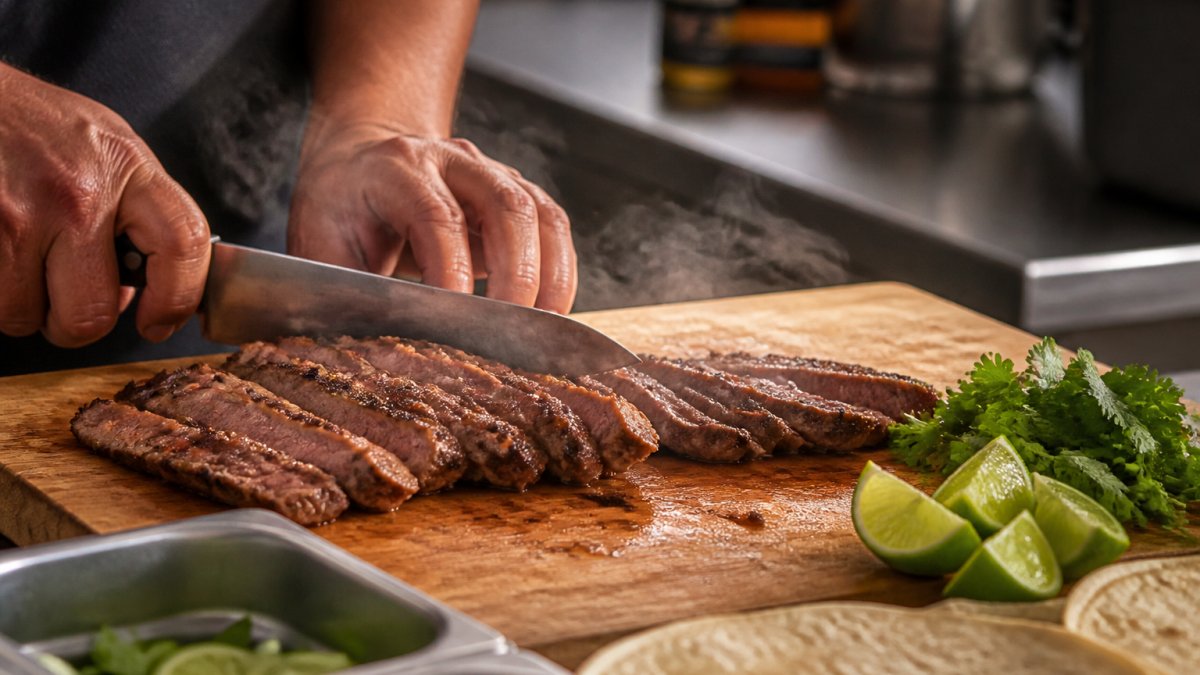
Heat a cast-iron skillet or grill to high heat. When it's smoking hot, place the meat on the surface. Don't move it. Let it develop a crust for 2-3 minutes per side.
Remove the meat and let it rest for 5 minutes. Slice it thin against the grain. This keeps each bite tender.
Squeeze fresh lime juice over the warm meat and add chopped cilantro.
Step 3: Warm Your Tortillas
Never use cold tortillas. Warm them directly over a gas flame or in a dry skillet for 15-20 seconds per side. They should be pliable and warm to the touch.
If you don't have a gas flame, use a cast-iron skillet on medium-high heat. Place the tortilla directly on the surface and flip when it starts to brown slightly.
Step 4: Assemble with Restraint
Place warm meat in the center of the tortilla. Add a small pinch of diced onion and cilantro. Add a spoonful of salsa. Squeeze lime over the top.
Fold the tortilla in half. Eat it immediately while the tortilla is still warm.
That's it. The taco is finished.
Regional Variations Across Mexico
Authentic Mexican tacos vary significantly by region. What works in Oaxaca differs from what's standard in Sonora or Mexico City.
Coastal regions use more seafood. Yucatán tacos often include pibil (slow-roasted pork) and use different spice profiles. Central Mexico favors carne asada and carnitas. Northern regions sometimes use flour tortillas instead of corn.
These variations exist because ingredients and traditions differ by location. A taco in Guadalajara reflects what grows there and how people have cooked for generations. Understanding this diversity helps you appreciate that there's no single "authentic" taco, there are many authentic versions.
Authentic vs. American-Style Tacos
American-style tacos use flour tortillas, ground beef, shredded cheese, lettuce, and sour cream. They're served in a hard shell or soft flour tortilla.
American tacos aren't bad, they're just different. They emerged from Tex-Mex cuisine, which blends Mexican and American flavors. Hard-shell tacos were invented in the United States.
The key difference is philosophy. Authentic Mexican tacos highlight quality ingredients with minimal interference. American tacos add multiple layers of flavor and texture.
When you want authentic Mexican tacos, seek out soft corn tortillas, grilled meat, and fresh toppings. When you want Tex-Mex, the American version delivers exactly what it promises.
Frequently Asked Questions
What is considered an authentic Mexican taco?
Authentic Mexican tacos feature soft corn tortillas filled with seasoned, grilled meat, topped with minimal fresh ingredients like onion, cilantro, and salsa. The focus is on quality meat and tortillas, not heavy toppings or cheese. Regional variations exist across Mexico, but the core principle remains: simplicity, fresh ingredients, and proper technique in meat preparation and tortilla warming.
Which tortillas are traditionally used for Mexican tacos?
Corn tortillas are the traditional choice for authentic Mexican tacos. Hand-sized and soft, they're made from masa (corn dough) and cooked fresh on a griddle or comal. Flour tortillas are common in northern Mexico but are considered less traditional for street tacos. Corn tortillas provide better flavor, authentic texture, and hold fillings without falling apart.
What are the best Mexican taco toppings?
Traditional Mexican taco toppings are simple and fresh: diced onion, chopped cilantro, fresh salsa (salsa roja or pico de gallo), and a squeeze of lime. Some regions add jalapeños or cotija cheese. The key is restraint, authentic tacos let the meat and tortilla shine, avoiding heavy cheese, sour cream, lettuce, or excessive condiments common in American versions.
How do I make street tacos at home?
Start with quality meat (carne asada, al pastor, or carnitas), season generously with cumin, chili, and lime, then grill or cook in a cast-iron skillet until browned. Warm corn tortillas directly over a flame or on a griddle until soft and pliable. Assemble by placing meat on the warm tortilla and topping with diced onion, cilantro, fresh salsa, and a squeeze of lime. Serve immediately while everything is warm.
Authentic Mexican tacos require fresh ingredients and proper technique, two things that take time and care. At Taqueria El Noa Noa, we prepare our tacos daily using quality meats, hand-made corn tortillas, and fresh toppings. Order online for dine-in, pickup, or delivery and experience what authentic Mexican tacos should taste like.