 how-to
How to Find Authentic Breakfast: A Local Guide
Table of Contents
- What Makes Authentic Mexican Breakfast Different
- Common Mexican Breakfast Dishes to Look For
- How to Choose a Breakfast Restaurant That Does It Right
- What to Ask When Reviewing a Breakfast Menu
- Red Flags That Signal Shortcuts and Frozen Ingredients
- How to Find Authentic Breakfast in Your Neighborhood
- Frequently Asked Questions
Last Updated: October 11, 2026
What Makes Authentic Mexican Breakfast Different
Authentic Mexican breakfast is built on fresh ingredients prepared to order, not shortcuts or frozen components. At Taqueria El Noa Noa, we focus on how to find authentic breakfast by understanding what separates the real thing from the imitation.
Traditional Mexican breakfast emphasizes simplicity and quality: eggs cooked fresh, meats seasoned and sliced by hand, tortillas made daily. The difference shows immediately in taste and texture.
Not all Mexican breakfast spots follow the same standards. Some rely on pre-made components or cut corners on ingredients. Learning what authentic preparation looks like helps you spot the difference fast.
To find authentic breakfast, know what you're looking for: specific characteristics in cooking method, ingredient quality, and portion sizes that reveal whether shortcuts were taken.
Common Mexican Breakfast Dishes to Look For
To find authentic breakfast, recognize the real dishes and how they're prepared. This helps you evaluate any restaurant's authenticity.
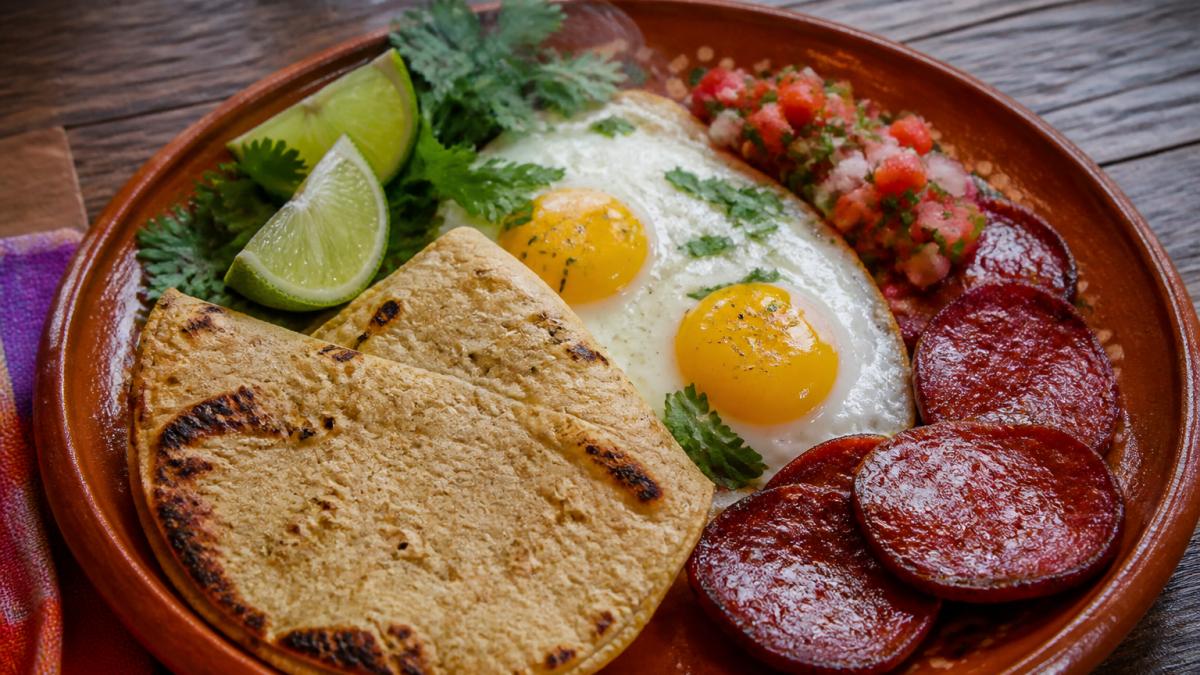
Egg-Based Dishes
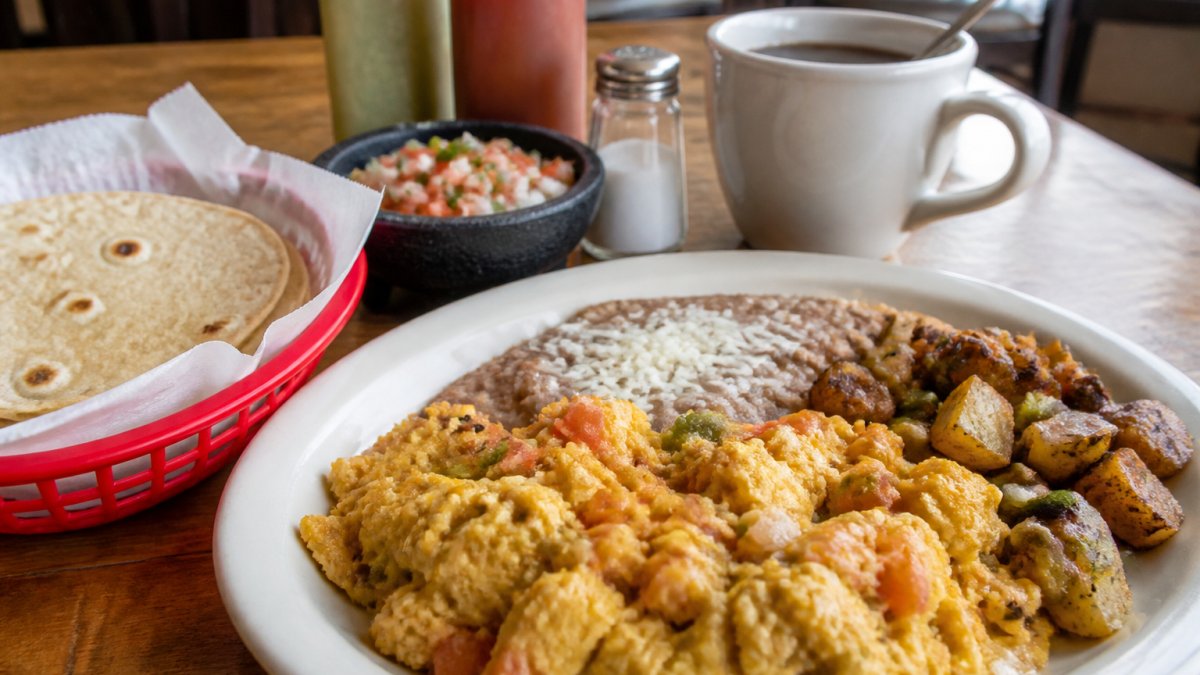
Real huevos rancheros feature freshly fried eggs on warm tortillas, topped with homemade salsa and beans cooked from dried, not canned.
Huevos divorciados features two fried eggs, one covered in red salsa, one in green. Both salsas must be made fresh; canned salsa signals shortcuts.
Chilaquiles are fried tortilla strips mixed with salsa and topped with eggs. The tortillas should be crispy outside but soft inside, not mushy, with fresh cheese crumbles on top.
Meat and Griddle Options
Authentic chorizo is made fresh and loose, not pre-cooked into hard sausage shapes. The meat should be crumbly with deep red color from spices.
Carne asada uses thin-sliced beef cooked on a griddle with char marks, tender texture, and fresh cilantro and onions.
Quesabirrias combine a tortilla dipped in birria broth, filled with shredded meat, and cooked until crispy. The meat should be tender and the broth taste like it simmered for hours.
Real tamales are made fresh daily with light, fluffy masa and real meat or cheese filling, not frozen or generic.
How to Choose a Breakfast Restaurant That Does It Right
Finding authentic breakfast requires research combining online vetting, community input, and in-person observation.
Step 1: Research Ownership and Community Context
Restaurants owned by people from the cuisine's culture tend to prioritize traditional methods. Look for owner names on the website or social media.
Authentic breakfast spots cluster in neighborhoods with established cultural presence, Mexican markets, Spanish signage, community businesses. These are more likely authentic than isolated tourist-area spots.
Step 2: Evaluate the Menu Language and Presentation
Authentic menus use traditional dish names in the original language with specific descriptions. Menus explaining regional variations show knowledge and respect for the cuisine.
Red flags include overly large menus (50+ items), Americanized names, or non-traditional dishes. Authentic places focus on doing a few things well.
Step 3: Check Social Media and Photos for Consistency
Check the restaurant's Instagram or Facebook for consistent, traditionally-prepared dishes and kitchen transparency. Rarely posting or generic photos are red flags.
Read comments for authenticity signals like "Just like my abuela made" or "Tastes like home." Comments questioning authenticity are red flags.
Step 4: Seek Recommendations from the Right Sources
Seek recommendations from community members, local food writers, or cultural organizations, not just tourist reviews praising "good" or "tasty" food.
Check local food blogs focusing on traditional cuisine, they evaluate authenticity explicitly, discussing whether restaurants honor traditional recipes and source ingredients properly.
Step 5: Observe the Restaurant During Peak Hours
Visit during peak breakfast hours (7-10 AM). Busy restaurants signal popularity and consistency; empty ones during peak times are red flags.
Observe the crowd. Community members, families, and regulars greeted by name signal authenticity. Mostly tourists suggest catering over authentic service.
A bustling breakfast spot with conversations in the original language is more likely authentic than a quiet, formal space.
Step 6: Assess the Physical Space and Kitchen Signals
Use your senses: smell fresh salsa, simmering beans, grilled meat. No smell often means pre-made components being reheated.
Check tortillas: warm and fresh-smelling signal authenticity. Cold, plastic-wrapped tortillas mean they're not fresh.
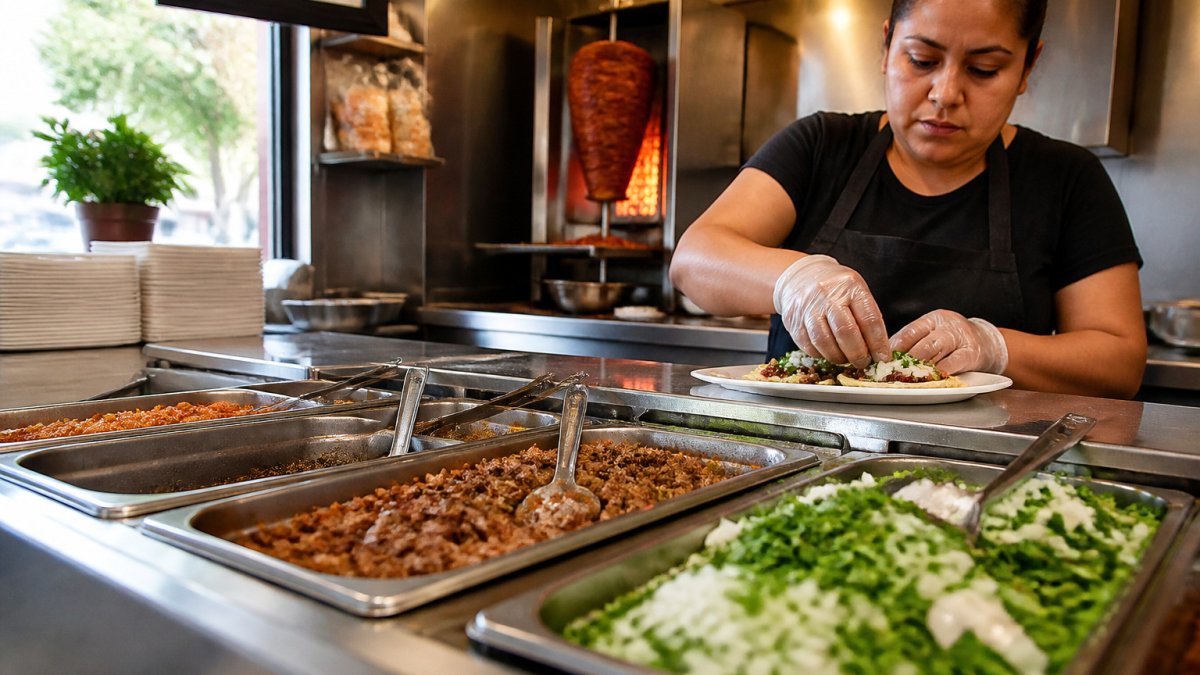
Visible kitchens with active cooking suggest confidence in their process. Hidden kitchens are a red flag.
Look for traditional equipment: comals, tortilla presses, simmering pots. Industrial kitchens with microwaves and warmers likely use shortcuts.
Step 7: Distinguish Authentic from Adapted or Fusion
Authentic doesn't mean unchanged. The key is distinguishing respectful adaptation from inauthentic shortcuts.
Inauthentic shortcuts compromise identity: jarred salsa, canned beans, or pre-cooked eggs significantly change flavor and texture.
Ask if they adapt dishes. Authentic places explain why and how, signaling respect for tradition.
Step 8: Make Your First Visit a Low-Risk Assessment
Order a simple dish like huevos rancheros or chilaquiles. Fresh eggs, homemade salsa, creamy beans, and warm tortillas signal authenticity; any element off suggests shortcuts.
Ask staff what's popular. Enthusiasm and knowledge about their food signal authenticity.
Visit more than once. Consistency across meals signals authenticity.
What to Ask When Reviewing a Breakfast Menu
The right questions reveal authenticity. Generic or defensive responses signal shortcuts; detailed, specific replies indicate pride in the process.
"Are your tortillas made fresh here or brought in daily?"
Authentic responses name sources and describe processes: "We make them fresh every morning" or "We get them from Tortilleria Garcia daily." Vague answers or mentions of distributors/frozen tortillas are red flags. Ask to see them, real fresh tortillas are warm, pliable, and smell like corn.
"Is your salsa made in-house?"
Authentic responses describe the process: "We blend fresh tomatoes, onions, cilantro, and jalapeños every morning." Evasive answers suggest jarred or bulk-made salsa. Ask "What are the main ingredients?", hesitation suggests jarred salsa. Authentic salsa varies slightly day to day; identical taste across visits suggests jarred or bulk-made.
"What kind of chorizo do you use, and where does it come from?"
Good answers: "We make it fresh here" or "We get it from a local carnecería daily." Red flags: pre-packaged, frozen, or uncertain sourcing. Real chorizo is loose and crumbly when cooked, not pre-formed.
"How long do your beans simmer, and do you use dried beans or canned?"
Real answer: "We cook dried beans for 3-4 hours" or "We start them the night before." Evasive answers suggest canned beans. Real beans have subtle, developed flavor and creamy consistency; canned beans taste flatter with a metallic edge.
"Do you make your own quesabirrias broth, and how long does it simmer?"
This broth is the heart of the dish. It requires slow-cooking meat (usually beef or chicken) with dried chiles, spices, and broth for hours.
"Are your eggs cooked to order, or do you pre-cook them?"
Authentic places cook eggs when you order. A clear answer: "Every egg is cooked fresh when you order." Evasive answers or "We cook them ahead" signal pre-cooked eggs sitting in a warmer, which lose flavor and texture.
How to Interpret Patterns in Responses
Authentic restaurants answer with confidence and detail. They know their suppliers, their processes, and their ingredients. They're proud of their work. If a staff member answers vaguely, deflects, or says "I don't know," that's a signal to ask a manager or skip the restaurant.
Visit during a slower time and ask these questions directly to a manager or owner if possible. They're more likely to give detailed answers than a busy server. If a restaurant won't answer or seems annoyed by the questions, that's your answer: they're not focused on authenticity.
Red Flags That Signal Shortcuts and Frozen Ingredients
Certain signs mean a restaurant isn't serving authentic breakfast. Learn these and you'll spot shortcuts instantly.
Meat that's already sliced and stacked means it was pre-cooked and is being reheated. Real chorizo comes loose. Real carne asada gets sliced fresh from the griddle.
Salsa that tastes the same every day suggests it's jarred or made in huge batches. Authentic salsa varies slightly based on the tomatoes that day. Consistency across visits is a red flag.
Beans that are too thick or too thin suggest they're from a can. Real beans have a specific texture from slow cooking. Canned beans feel different in your mouth.
Tortillas that are cold or don't bend easily are old or frozen. Real warm tortillas bend without breaking. They smell like corn and warmth.
Eggs that look the same every time mean they're pre-cooked. Real eggs cooked to order look different depending on how long they cook. Consistency is suspicious.
A menu so large it's impossible to keep everything fresh means corners are cut. Authentic places master a focused menu.
Prices that seem too cheap sometimes mean lower-quality ingredients. Authentic food costs more because real ingredients cost more. If a place is significantly cheaper than competitors, ask why.
How to Find Authentic Breakfast in Your Neighborhood
The best way to find authentic breakfast is to start local. Your neighborhood likely has options you haven't tried.
Ask people who live there. Not tourists. Not people passing through. Ask neighbors, coworkers, and people who eat breakfast regularly in your area. They know which places are real and which are just trying to look authentic.
Visit during peak breakfast hours. Real breakfast spots fill up between 7 and 10 AM. If a place is empty during those hours, that's a signal. Busy means popular. Popular usually means good.
Go early in the day. Breakfast ingredients are freshest in the morning. The later you go, the more likely you're getting food that's been sitting. 8 AM is better than 10 AM. 7 AM is better than 8 AM.
Look for places that focus on breakfast. Some restaurants do breakfast, lunch, and dinner. Places that specialize in breakfast do it better. They've perfected the process.
Check if they have a line. Lines during breakfast mean the food is good and people know it. No line doesn't always mean bad, but a line is a strong signal.
Talk to the staff. Ask them what's popular. Ask what's made fresh. Staff at authentic places know their food and are happy to explain it.
Visit more than once. One good meal could be luck. Two or three good meals in a row means they're consistent. Consistency signals authenticity.
At Taqueria El Noa Noa, we've built our breakfast menu around these principles. We make our salsa fresh daily. Our tortillas are made fresh or delivered daily from a tortilleria. We cook eggs to order. We don't cut corners. When you come in, you're getting real Mexican breakfast, not shortcuts.
Frequently Asked Questions
What makes a Mexican breakfast authentic?
Authentic Mexican breakfast relies on fresh, high-quality ingredients prepared daily rather than reheated or pre-made components. Real preparation means hand-pressed or fresh tortillas, meat cooked to order (not pre-cooked and held under heat), and toppings like cilantro, onion, and salsa made fresh. The flavors come from proper technique and ingredient quality, not shortcuts or frozen bases.
How can you tell if a breakfast spot makes food fresh?
Watch for these signs: tortillas that smell warm and are made in-house, meat that's being cooked when you order (not sitting in a warmer), and staff who can tell you what's in the food and how it's prepared. Ask when toppings are prepped daily. Fresh spots don't mind these questions and will confidently explain their process. Avoid places where everything comes out instantly or tastes like it's been sitting.
What should you look for on a Mexican breakfast menu?
Look for dishes that highlight fresh ingredients and traditional preparation: huevos rancheros, chilaquiles made with fresh tortillas, chorizo and eggs, and quesadillas with quality cheese. Check if the menu notes what's made fresh daily. Avoid overly simplified menus or items that sound Americanized. Ask about specialty items like quesabirrias or pastor, authentic spots take pride in these and can explain the preparation.
How do you find a good local taquería for breakfast?
Start by asking neighbors and coworkers where they eat breakfast regularly, not just where they've heard is good. Visit during peak breakfast hours (7-9 AM) to see if locals are there. Check if the taquería sources fresh ingredients daily and has a focused menu rather than trying to do everything. Read reviews that mention freshness and speed, not just taste. Stop by and observe: Is the kitchen visible? Are people eating there during their workday?
Learning how to find authentic breakfast takes practice, but the basics are simple. Look for fresh ingredients. Ask questions. Watch for red flags. Trust your instincts. Real restaurants are proud of their process and happy to explain it. Shortcuts are always visible once you know what to look for. The best breakfast comes from places that refuse to compromise on quality, and those places are worth seeking out.