 comparison
How to Tell If an Authentic Taco Is Worth the Price
Last Updated: October 29, 2026
Quick Summary
Authentic tacos are worth the price when the money goes into fresh masa tortillas, properly cooked meat, and toppings prepared the same day. To judge value, compare tacos of the same type, looking at tortilla freshness, portion size, and toppings, then divide the total cost by the number of tacos.
- Fresh masa tortillas, properly cooked meat, and same-day toppings drive the flavor and justify the cost.
- Compare the same taco at each shop so tortilla, filling, and toppings are directly comparable.
- Divide your total meal cost by the number of tacos and approximate ounces of filling to find real value.
- A generous, well-seasoned meat portion is the most direct sign that a higher price is paying off.
- Authenticity reflects fidelity to a tradition, not the price, so judge it by the food itself.
Table of Contents
- Are Authentic Tacos Worth the Price? Start With What You're Paying For
- What Is a Good Price for a Taco?
- Street Tacos Versus Restaurant Tacos
- Why Are Tacos So Expensive Right Now?
- What Makes a Taco Authentic?
- A Like-for-Like Value Comparison
- Portion Size, Quality, and Experience: Where the Premium Shows Up
- A Decision Framework for Your Next Taco Order
- Frequently Asked Questions
Are Authentic Tacos Worth the Price? Start With What You're Paying For
Authentic tacos are worth the price when the money goes into the things that actually shape the flavor: fresh masa tortillas, properly cooked meat, and toppings prepared the same day. The real question is not whether a taco costs more than a fast-food alternative. It is whether the taco gives you more value for each dollar you spend. That is a question you can answer for yourself with a few simple checks.
Price alone tells you very little. A $4 taco can be excellent or disappointing, and a $6 taco can be just as uneven. What matters is what sits inside the tortilla and how it was made. Below, we'll show you how to compare tacos on fair terms, what drives the cost, and how to tell whether the premium is paying off.
What Is a Good Price for a Taco?
A good taco price depends on the style, the size, and what is included. There is no single number that fits every shop, but there are useful ranges you can use as a starting point. Treat these as dated benchmarks rather than rules, and expect meaningful variation from one neighborhood to the next.
Taco prices shift with local rent, labor costs, and ingredient prices, which is why price alone is a weak signal. Pricing depends on the menu, order size, and current market, so check our website for current prices.
The clearest way to judge price is to compare tacos that are similar in size and filling. Look at the meat, the tortilla, and whether salsa, onion, cilantro, and lime come standard. A taco that includes all of these should cost more than one that includes only meat and a tortilla. A practical shortcut: divide the total cost of your meal by the number of tacos and by the approximate ounces of filling. A taco with a larger, fuller portion of meat can be a better value than one with a thin filling, even at a higher price.
Finally, factor in what comes with the taco. Chips and salsa, a drink, or a side can change the effective cost of a meal by several dollars. A slightly higher taco price at a shop that includes fresh salsa and house-made tortillas may be the better deal once the whole plate is counted.
Street Tacos Versus Restaurant Tacos
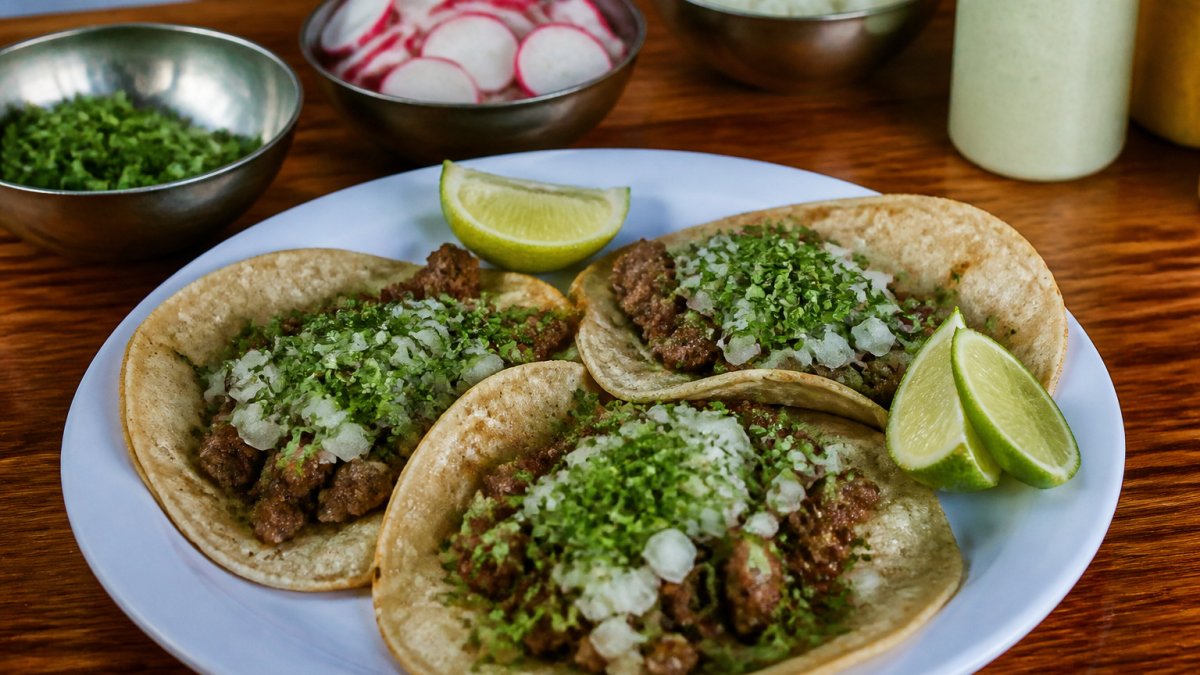
Street tacos and restaurant tacos are built differently, and that difference shows in the price. Street tacos are usually small, served on two corn tortillas, and topped simply with onion, cilantro, and salsa. The business model depends on speed and volume.
Restaurant tacos often arrive larger, with more toppings and a plate built around them. They may also use a different tortilla or a more complex filling. Neither style is automatically better. Compare them by the same yardstick: how much food you get, how fresh it tastes, and how well the components work together.
Why Are Tacos So Expensive Right Now?
Taco prices have risen for many of the same reasons as other restaurant food.
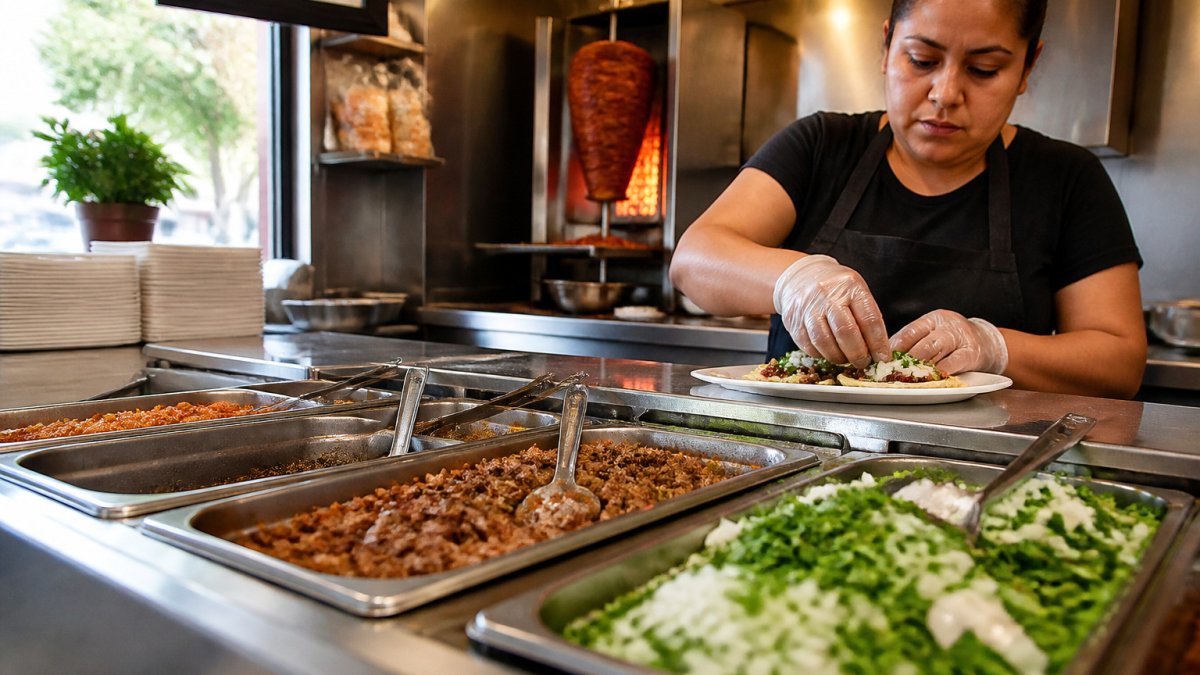
Ingredient costs, labor, and rent all affect what a shop charges. Shops that cook meat in small batches and prepare toppings daily typically carry higher costs than those that rely on pre-made components. That is one reason two taquerias on the same street can price the same item very differently.
Meat, Tortillas, and Fresh Toppings
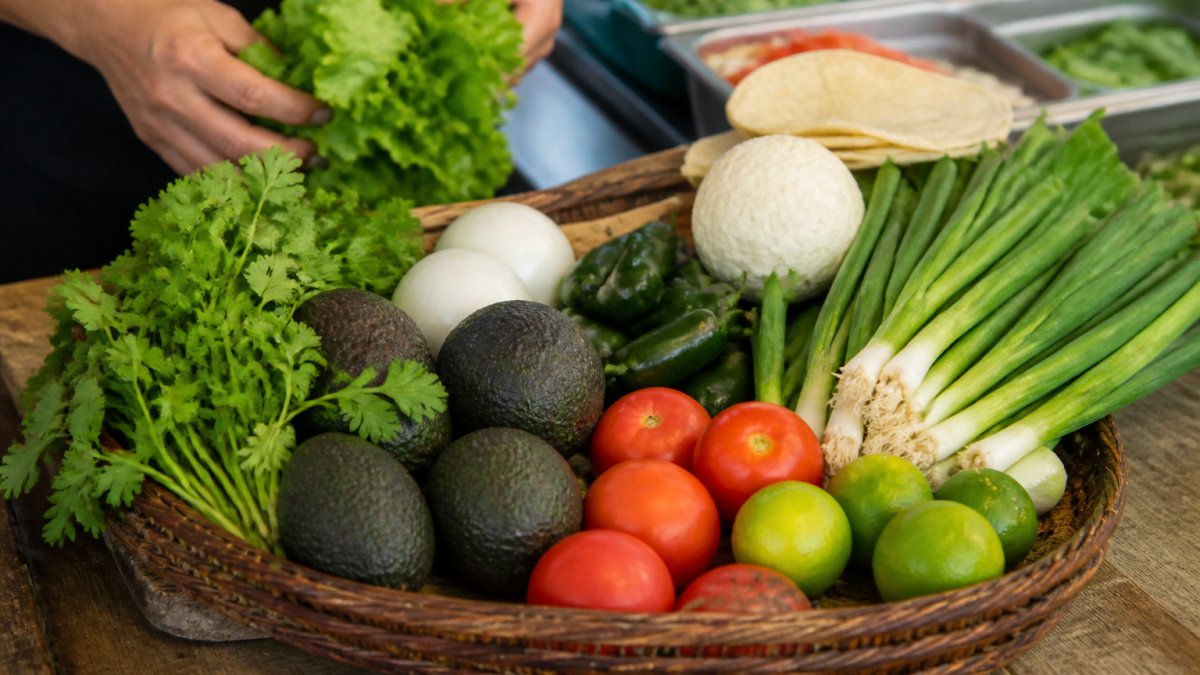
The three components that most affect quality are meat, tortillas, and toppings. Meat sets the flavor base and is usually the largest single cost. Tortillas matter more than many diners expect. Fresh corn tortillas, made from masa, have a distinct taste and texture that store-bought alternatives rarely match. Toppings are a smaller cost but a big part of freshness. Cilantro and onion that were chopped that morning taste very different from those that sat out.
What Makes a Taco Authentic?
Authenticity is not a single price tier, a menu label, or a checklist you can tick off. It is a relationship between a taco and the tradition it comes from, the ingredients, the technique, and the local context in which it is made. A $2.50 street taco and a $12 chef-driven taco can both be authentic if each is true to the style it claims to represent.
Regional traditions vary widely. A taco al pastor in the style popularized in central Mexico is built on marinated pork, pineapple, onion, and cilantro, often on a corn tortilla. A Baja-style fish taco typically features battered fish, cabbage, crema, and lime. A northern-style carne asada taco emphasizes grilled beef, simple toppings, and a wheat or corn tortilla depending on the shop. None of these is more authentic than the others; each is authentic to its own region and lineage.
Preparation matters more than the label. Key signals include:
- Tortillas: Corn tortillas made from nixtamalized masa have a distinct aroma, texture, and flavor that reconstituted masa or store-bought tortillas rarely match. Freshly made tortillas are a strong signal of care.
- Meat cookery: Fillings cooked in a way suited to the meat, slow-braised for barbacoa, spit-roasted or grilled for al pastor, grilled over high heat for carne asada, show technique rather than shortcuts.
- Toppings: Simple, fresh toppings that let the filling stand out are common in traditional styles. A mountain of cheese and sour cream is not inherently wrong, but it usually signals a different, Americanized style rather than a traditional one.
- Salsas: House-made salsas, varied by heat and ingredient, are a common marker of a kitchen that cooks from scratch.
Be wary of places that use the word "authentic" but serve dry meat, thin portions, or flour tortillas in every dish. Authenticity should show up in the food itself, not just on the menu. Equally, do not assume that a higher price guarantees authenticity. A premium price can reflect rent, service, or marketing as easily as it can reflect traditional preparation.
The practical test is simple: does the taco taste like the style it claims to be, and does the kitchen show care in the basics? If the answer is yes, the taco can be authentic at almost any price point.
A Like-for-Like Value Comparison
The fairest way to judge value is to compare tacos of the same type. Put two tacos side by side and check the following:
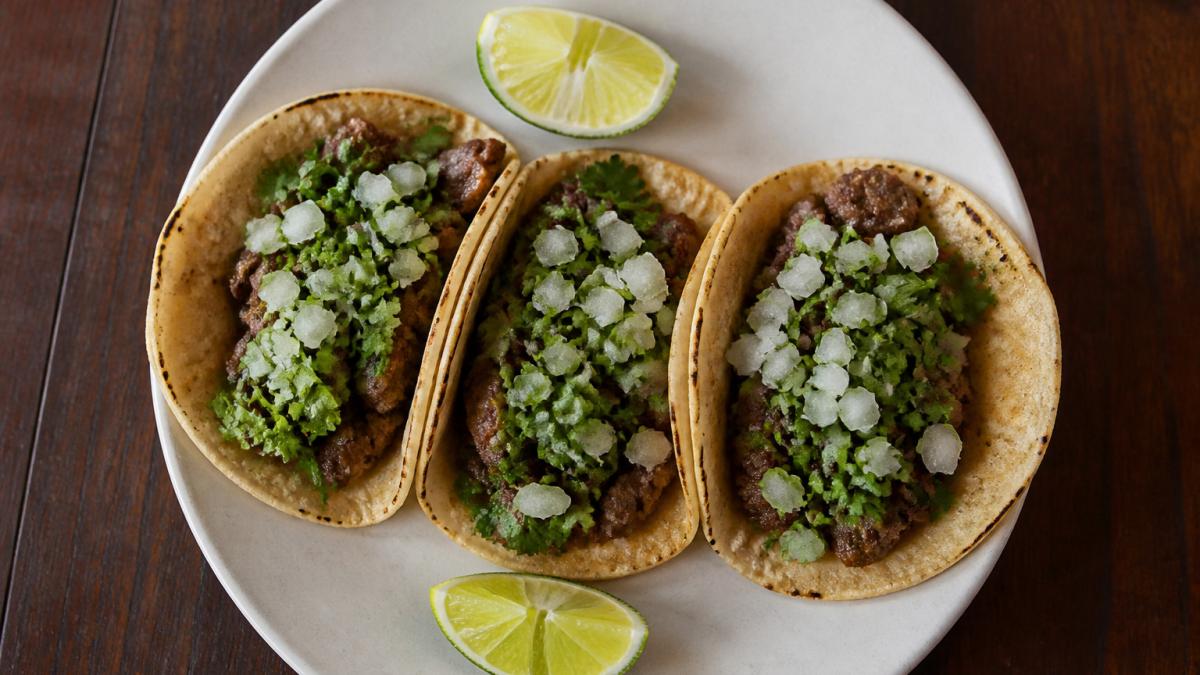
- Tortilla: Corn or flour, and whether it is freshly made
- Meat portion: Visible, generous filling versus a thin layer
- Toppings: Whether onion, cilantro, salsa, and lime are included
- Price per taco: Total cost divided by the number of tacos
A taco with thin meat and a plain tortilla may cost more per bite than a pricier taco with a generous filling and fresh toppings. Doing this simple math helps you spot real value.
Portion Size, Quality, and Experience: Where the Premium Shows Up
The premium usually shows up in three places: portion size, ingredient quality, and the overall experience. A larger portion of well-seasoned meat is the most direct sign of value. Ingredient quality shows in flavor, texture, and freshness. Experience covers service, speed, and whether the food arrives hot and ready to eat.
At Taqueria El Noa Noa, we prepare our food fresh each day with high-quality meats, tortillas, and toppings.
The article points to three places where a taco's premium is visible, and the table below summarises what to look for in each.
| Where the premium shows | What to look for | Why it matters |
|---|---|---|
| Portion size | Visible, generous filling | Most direct sign of value |
| Ingredient quality | Flavor, texture, freshness | Shows in how the taco tastes |
| Experience | Service, speed, food arrives hot | Affects whether it is ready to eat |
A Decision Framework for Your Next Taco Order
Use this simple framework before you order:
- Check the tortilla. If it is fresh corn, the shop is likely putting effort into the basics.
- Look at the meat portion. A generous, well-seasoned filling usually justifies a higher price.
- Ask about the toppings. Fresh cilantro, onion, and lime make a visible difference.
- Compare price per taco. Divide the total by the number of tacos to see real value.
- Decide based on your situation. If you are grabbing lunch on a short break, speed and consistency may matter most. If you are sharing a meal with friends, flavor and portion size may be worth paying more for.
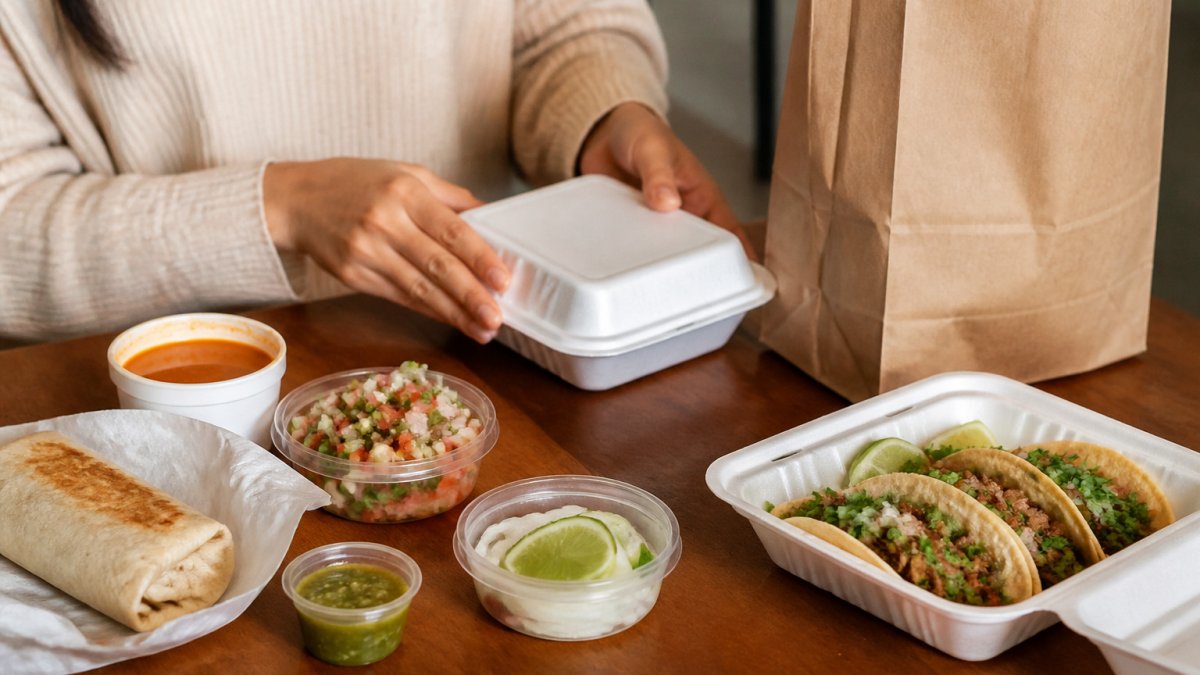
You can browse our menu to compare the tacos, burritos, quesadillas, and breakfast options before you decide.
Frequently Asked Questions
What is a good price for a taco?
There is no single fair price, because cost depends on the filling, the tortilla, the portion, and the setting. Street-style tacos are typically priced lower than tacos served in a sit-down restaurant, where rent, labor, and service add to the cost. The more useful test is whether the taco delivers the quality and portion you expect for what you pay. Compare the price against the meat, the freshness of the toppings, and whether the tortilla is made in-house. Pricing varies with menu, location, and order size, so check the current menu for exact amounts.
Why are tacos so expensive right now?
Tacos reflect the same pressures as other restaurant food. Beef, produce, and dairy costs have moved with broader food inflation, and restaurants also face labor, rent, and supply costs. Tacos made with high-quality meat and freshly prepared ingredients cost more to produce than cheaper fillings. Prices also rise when a kitchen avoids shortcuts, such as using fresh toppings instead of pre-prepared options. Understanding these costs helps explain why a fairly priced authentic taco may cost more than a mass-produced one.
What makes a taco authentic?
An authentic taco is usually defined by its traditional build rather than its price. Key markers include a corn tortilla, meat cooked in a traditional style such as carne asada, al pastor, or birria, and simple toppings like onion, cilantro, and lime. Authentic preparation favors technique and fresh ingredients over heavy sauces or fillers. Tacos that use these elements, prepared daily, are generally considered closer to the original tradition. Authenticity describes how the taco is made, not just where it is sold.
Are street tacos cheaper than restaurant tacos?
Street tacos are often cheaper because they usually have smaller menus, simpler setups, and lower overhead than a full dining room. A taqueria serving street-style tacos can keep prices lower while still using fresh meat and toppings. Restaurant tacos may cost more because of service, décor, and higher operating expenses. Price alone does not determine quality, so compare portion size, meat preparation, and freshness when deciding.