 listicle
Why Avoid Chain Tacos: Quality Matters
Table of Contents
- Why You Should Avoid Chain Tacos
- Chain Tacos vs Taquería Tacos: What's the Real Difference
- The Problem With Fast Food Tacos Ingredients
- Are Tacos Healthy When Made by Chains
- Consistency and Food Safety Concerns
- How to Choose a Taquería Over Chain Alternatives
- What Authenticity Actually Means in Tacos
- Frequently Asked Questions
Last Updated: October 19, 2026
Why You Should Avoid Chain Tacos
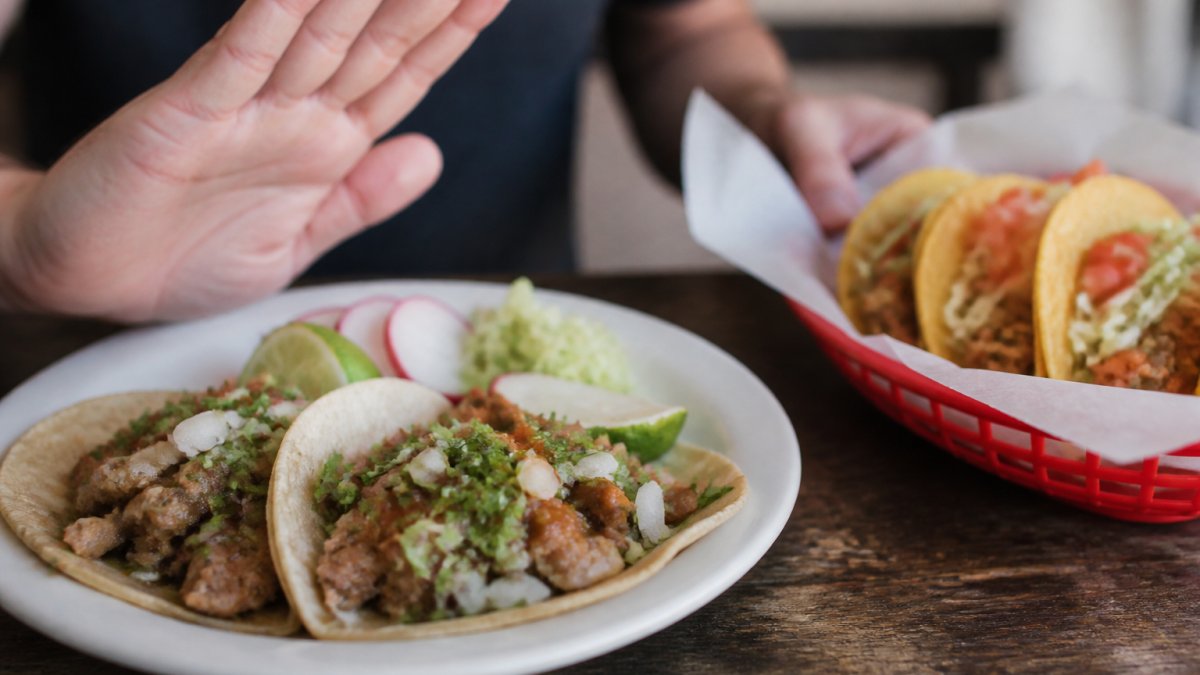
When you're hungry and in a rush, chain tacos seem like the obvious choice. They're fast, everywhere, and predictable. But reasons to avoid chain tacos go far deeper than convenience. At Taqueria El Noa Noa, we've watched customers discover the difference between a taco built with care and one assembled on an industrial line. The gap isn't subtle.
Chain tacos represent a fundamental compromise: speed and profit margins over the quality on your plate. When a business serves hundreds of tacos daily across dozens of locations, consistency demands shortcuts, and those shortcuts show up in every bite.
The real question is whether convenience is worth the trade-off. Once you understand what goes into a chain taco versus a taquería taco, the choice becomes clearer.
Chain Tacos vs Taquería Tacos: What's the Real Difference
The distinction between chain tacos and taquería tacos isn't about pretension. It's about fundamentally different approaches to preparation and ingredient sourcing.
Chain restaurants operate on volume. Ingredients are prepped in bulk, often days ahead; meat is cooked in massive batches; toppings sit in bins. Your taco is built from components prepared hours ago.
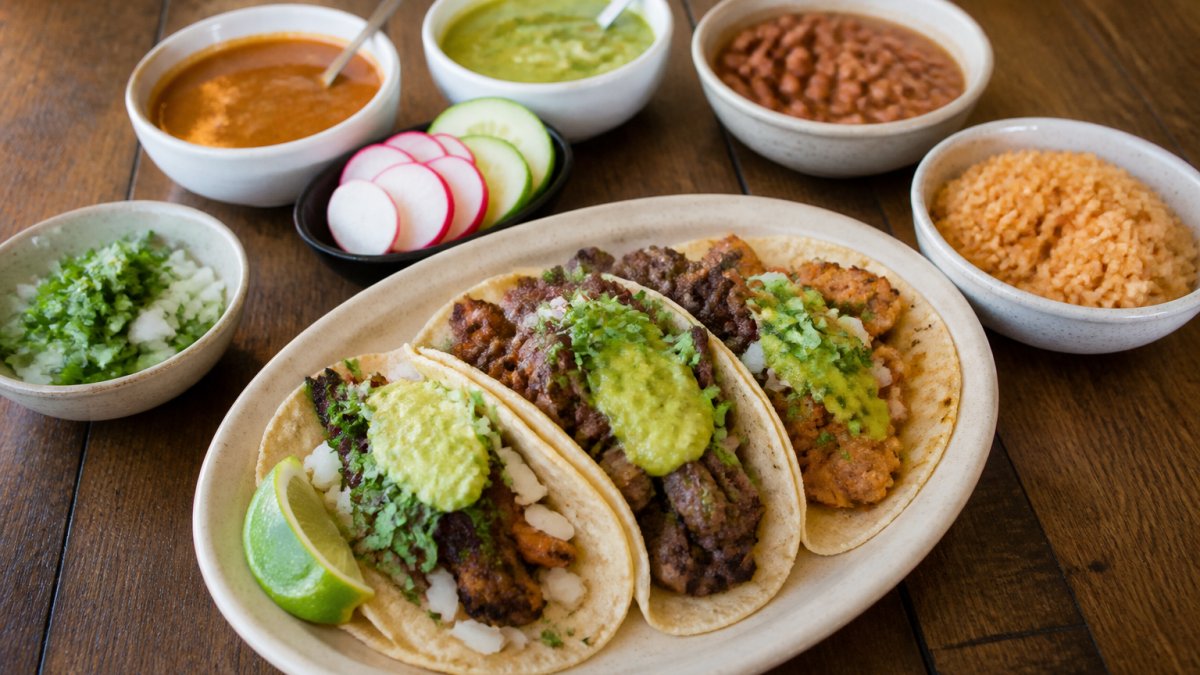
A neighborhood taquería preps daily, cooks meat fresh in smaller batches, assembles toppings to order, and makes or sources tortillas fresh daily. It takes longer and costs more, but the result tastes noticeably different.
Consider the meat. Chains use pre-seasoned ground meat or pre-cooked proteins built to survive hours under heat lamps. Taquerias cook whole cuts, carne asada, al pastor, carnitas, and slice them to order. One tastes like seasoned ground beef; the other tastes like meat cooked with care.
This is where avoid chain tacos becomes practical advice rather than snobbery. You're paying for ingredients treated differently from the moment they were selected.
The Problem With Fast Food Tacos Ingredients
Understanding why you should avoid chain tacos requires looking at what goes into them. The choices that make chain operations profitable are the same ones that compromise flavor and quality.
Unseasoned or Over-Salted Meat
Chain taco meat exists in two extremes: underseasoned because the chain assumes you'll add salsa, or over-salted to compensate for lack of depth. Neither tastes good on its own.
Real taco meat should have complexity. Carne asada is seasoned with citrus, garlic, and chiles; al pastor carries layered spices; carnitas are slow-cooked in their own fat. These preparations take time and skill.
Chain operations can't execute this. They need meat prepared in bulk, held safely, and reheated repeatedly, which eliminates most techniques that make taco meat taste good. The result is serviceable protein engineered to be inoffensive rather than delicious.
Rubbery Tortillas and Low-Quality Shells
The tortilla is half the taco. A good one is soft, pliable, tastes like corn or wheat, holds together, and complements the filling rather than distracting from it.
Chain tortillas sit for hours, rubbery from the steam warmer or stale from a wrapper. Corn tortillas turn tough; flour tortillas turn leathery. The texture alone makes the eating experience worse.
Some chains use pre-made boxed shells: shelf-stable, convenient for the business, terrible for your taco. They shatter when bitten and taste like fried cardboard.
A taquería that makes or sources fresh tortillas daily gives you the right texture and flavor. You notice immediately.
Pre-Prepped Toppings and Wilted Lettuce
Taco toppings seem simple, lettuce, tomato, onion, cilantro, maybe cheese and sour cream, which is exactly why quality matters. With so few ingredients, each one needs to be good.
Chain toppings are prepped hours ago: lettuce wilts, tomatoes go mealy, onions oxidize, cilantro loses its aroma. What should be fresh and bright becomes limp and dull.
Taquería toppings are prepped fresh or assembled to order: crisp lettuce, textured tomato, snappy onion, aromatic cilantro. It's the difference between a taco that tastes good and one that tastes like it's been sitting around.
Are Tacos Healthy When Made by Chains
Chain tacos aren't inherently unhealthy, but the way they're constructed often works against you nutritionally, and the gap shows up in numbers you can check.
Start with sodium. The culprits are predictable: pre-seasoned meat, processed cheese blends, canned salsa, and seasoned shells. A taquería taco isn't automatically low-sodium, but when meat is seasoned to order and salsa is made fresh, you have more control and usually less hidden salt.
Fat and calories follow a similar pattern. Chain tacos use lower-cost meat that needs added fat to stay moist, plus generous cheese and sour cream to mask blandness. A taquería taco built on a better cut tastes richer without added fat.
Allergens deserve a closer look than most people give them. Corn tortillas are naturally gluten-free, but flour tortillas are not, and cross-contact on a shared grill or prep line is common in high-volume kitchens. Shellfish isn't typical in tacos, but fish tacos and salsas with shrimp or fish sauce exist. Dairy shows up in cheese, crema, and some marinades. If you have a serious allergy, ask directly whether tortillas are cooked on the same surface as flour items and whether toppings are prepped on shared boards.
Dietary restrictions are another area where details matter. For gluten-free eaters, confirm corn tortillas are 100% corn, not a blend. Lettuce wraps or extra protein with less rice and beans are easier to arrange at a smaller kitchen.
The real issue isn't whether tacos can be healthy. Chain tacos are optimized for cost and speed, not health. If you care about what you're putting in your body, that distinction matters, and you can act on it with a few specific questions.
Consistency and Food Safety Concerns
One argument for chain tacos is consistency. But consistent mediocrity is still mediocrity, and when it comes to food safety, consistency is only as strong as the weakest shift at the weakest location.
A chain's food safety depends on every employee at every location following temperature logs, hold-time limits, and cooling procedures exactly. A single taquería has one kitchen and one set of habits to monitor; a chain with hundreds of locations has hundreds of kitchens, each staffed by people trained differently or rushed during a Friday dinner rush.
That doesn't mean chains are unsafe, just that the risk profile is different and invisible from the drive-thru. The FDA Food Code sets time-and-temperature rules for cooked meat, sliced tomatoes, and lettuce; cooked proteins are generally limited to a few hours in the danger zone. In a high-volume chain, prepped toppings may sit on the line for hours.
You can check this yourself. Most state and local health departments publish restaurant inspection results online, often searchable by name and address. Look for critical violations, the ones tied to temperature control, handwashing, and cross-contamination, rather than cosmetic issues. A pattern of repeat critical violations at a specific location is a more useful signal than a single bad score.
Transparency matters too. At a neighborhood taquería you can usually see the kitchen and watch your food being made. At a chain, the kitchen is hidden and you're trusting a system you can't see.
A good taquería earns consistency through repetition by the same hands, not standardization across hundreds of kitchens. That's a different kind of reliability, and for many people, the more trustworthy kind.
How to Choose a Taquería Over Chain Alternatives
If you're ready to avoid chain tacos, the next question is how to find a better option. It's not as simple as walking into any independent restaurant.
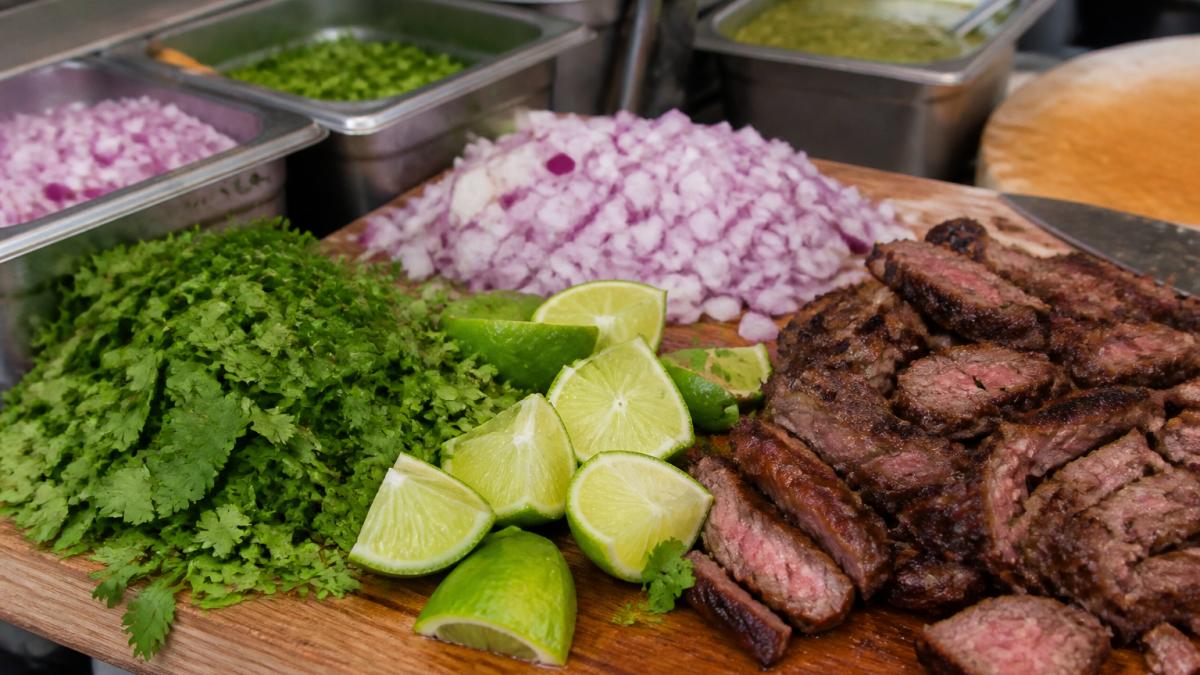
Start with what's visible. Can you see the kitchen? Are tortillas made or sourced fresh? Is there a lunch line? A good taquería usually has one, people know where the good food is.
Check the meat. Ask what they're cooking today and listen for specificity: "carne asada" over "grilled meat," "al pastor" over "seasoned pork." If they can detail how it's prepared, they care.
Taste the salsa, the quickest quality indicator. Fresh, chunky, and flavorful means the rest of the operation likely is too. Smooth, canned-tasting, and bland means move on.
Look at the toppings. Fresh cilantro should smell like cilantro, onions should have snap, tomatoes should have color. If they look like yesterday's prep, they are.
Ask about the tortillas: made in-house, sourced from a local tortillería, or bought from a distributor? In-house or local sourcing is almost always better.
Price matters, but not how you think. If prices are suspiciously low, ask why.
Finally, go back. Consistency at a good taquería means consistently good ingredients and technique. That's the consistency worth having.
What Authenticity Actually Means in Tacos
There's a lot of talk about "authentic" tacos, often tangled up in gatekeeping. But authenticity here has a practical meaning worth understanding.
An authentic taco uses techniques and ingredients reflecting actual Mexican culinary traditions. It doesn't have to be made by someone from Mexico, it means the approach respects the craft.
Carne asada tacos are authentic when the meat is marinated in citrus and spices, grilled over fire, and served simply so the meat shines, not when made from pre-seasoned ground beef on a hard shell.
Al pastor tacos are authentic when the meat is cooked on a vertical spit, sliced thin, and served with pineapple and onion, not when made from seasoned pork and microwaved.
The point isn't purity or gatekeeping. Authentic preparation produces better tacos because the techniques work, creating flavor and texture shortcuts can't replicate.
That's why avoid chain tacos and seek out taquería tacos often amounts to the same thing: seeking out places that respect the craft. That respect shows up in the final product.
The choice between chain tacos and taquería tacos comes down to what you value. If you want speed and consistency, chain tacos deliver. If you want flavor, quality, and care, they don't. At Taqueria El Noa Noa, we build every taco with fresh ingredients prepared daily and techniques that actually matter. We make al pastor that's cooked properly, carne asada that's seasoned right, and tortillas that taste like they should. When you're ready to taste the difference, we're here on Hwy 82. ORDER ONLINE
Frequently Asked Questions
Why do chain tacos taste different from taquería tacos?
Chain restaurants prioritize speed and consistency over flavor. They use pre-seasoned or minimally seasoned ground meat, mass-produced tortillas, and pre-prepped toppings that sit for hours. Independent taquerias prepare meat fresh daily with proper seasoning and spice blends, hand-make or source quality tortillas, and chop toppings to order. This difference in preparation time and ingredient freshness creates noticeably better flavor in taquería tacos.
Are fast-food tacos made with fresh ingredients?
Most chain tacos rely on pre-prepared components to maintain speed. Meat is often cooked in bulk and held in warming trays, tortillas come from industrial suppliers, and vegetables are pre-chopped and stored. While not necessarily unsafe, these practices sacrifice freshness. Independent taquerias typically receive fresh meat daily, make tortillas fresh or source them from local suppliers, and prepare toppings throughout service hours.
What should I look for when choosing a taquería?
Look for places where you can see meat being grilled or simmered to order, tortillas being warmed or made fresh, and toppings prepped throughout the day. Check if they source local or quality ingredients and whether the menu reflects authentic preparations like carne asada, al pastor, or quesabirrias. Ask about their meat suppliers and preparation methods.
Are tacos healthy when made by chains?
Chain tacos often contain higher sodium levels due to pre-seasoning and preservatives, plus added sugars in sauces and marinades. Without knowing exact ingredients or preparation methods, it's hard to track nutritional content. Independent taquerias typically use simpler ingredients with less processing, making it easier to understand what you're eating and make healthier choices.