 blog
Puesto vs Delicioso: Spanish Food Terms Explained
Last Updated: October 24, 2026
Quick Summary
Puesto vs delicioso are completely different words: puesto is a noun meaning a food stand or stall, while delicioso is an adjective meaning delicious or tasty. Use puesto to name where food is sold and delicioso to describe how food tastes.
- Puesto is a masculine noun referring to a food stand, stall, or booth where vendors sell meals directly to customers.
- Delicioso is an adjective that changes form based on gender and number: delicioso, deliciosa, deliciosos, deliciosas.
- Puesto comes from the verb poner (to put) and can also mean a job, position, or post in non-food contexts.
- The most common learner mistake is using puesto as a food adjective, which makes sentences nonsensical like saying the food is stand.
- Correct usage example: El puesto de tacos vende comida deliciosa (The taco stand sells delicious food).
Table of Contents
- Puesto vs Delicioso: Understanding Two Essential Spanish Food Terms
- What Does Puesto Mean? Exploring the Noun and Its Food Context
- What Does Delicioso Mean? The Adjective That Describes Food
- Puesto Menu: How the Term Applies to What's Served
- Puesto Tacos and Beyond: Real-World Food Vocabulary
- Mexican Restaurant Dine In or Takeout: Puesto vs Delicioso in Practice
- Comparative Forms and Food Descriptions: Más Delicioso Que
- Pronunciation, Spelling, and Common Learner Mistakes
- Frequently Asked Questions
Puesto vs Delicioso: Understanding Two Essential Spanish Food Terms
Learning Spanish food vocabulary opens doors to real conversations at markets, restaurants, and food stalls.
Puesto is a noun: a food stand or stall where vendors sell meals and snacks. Delicioso is an adjective: delicious or tasty.
Understanding puesto vs delicioso helps you navigate Spanish-language food environments with confidence, asking for what you want and describing what you're eating.
Why This Distinction Matters for Spanish Learners and Food Enthusiasts
The confusion happens because learners memorize vocabulary without understanding parts of speech. Puesto names a thing. Delicioso describes a thing.
Imagine saying "I'm going to the delicioso" instead of "I'm going to the puesto," or "The puesto is very delicioso" when you mean to praise the food, not the location.
Grasping this difference builds your foundation for Spanish conversation: you use words in the right context, and native speakers understand you immediately.
What Does Puesto Mean? Exploring the Noun and Its Food Context
Puesto is most commonly a masculine noun, but it is also the past participle of the verb poner (to put or to place). That double life is exactly why learners mix it up with delicioso: one word names a thing or a state, the other describes a quality.
Puesto as a Food Stand or Stall
In food contexts, puesto means a stand, stall, or booth where vendors prepare and sell food and drinks directly to customers. The word comes from poner, a puesto is literally a spot that has been "set up" for selling. It covers a wide range of setups:
- Taco stands on sidewalks
- Juice and aguas frescas carts at farmers markets
- Empanada stalls in plazas
At a puesto you order directly from the vendor, watch the food being prepared, and often eat standing up or take it to go. Crucially, puesto here is a noun, the place itself, so it can never describe how food tastes.
Puesto as a Job, Position, or Post
A second common meaning is a job, position, or post, as in puesto de trabajo (workplace) or puesto de mando (command post). In military or security contexts, puesto can mean a checkpoint or guard post. None of these have anything to do with food, which is why context is everything.
Puesto as the Participle of Poner (Put/Placed)
This meaning trips up learners most. Puesto is the irregular past participle of poner, appearing in compound tenses and as an adjective meaning "put" or "placed":
- "He puesto la mesa", I have set the table
- "La camisa está puesta en la silla", The shirt is placed on the chair
- "El letrero está puesto", The sign is put up
Here puesto functions as a verb form or participle adjective, not a noun. It describes a state of being placed, not a flavor. This is the biggest source of the puesto vs delicioso mix-up: both words can appear near food, but only one is a food descriptor.
How Puesto Differs from Delicioso at a Glance
| Feature | Puesto | Delicioso |
|---|---|---|
| Part of speech | Noun (usually); participle of poner | Adjective |
| Core meaning | Stand, stall, job, position, or "put/placed" | Delicious, tasty |
| Describes food taste? | No | Yes |
| Gender/number agreement | As a noun: el puesto / los puestos | Four forms: delicioso, deliciosa, deliciosos, deliciosas |
| Typical food sentence | "Compré tacos en el puesto." | "Los tacos están deliciosos." |
Context determines which meaning of puesto applies. In food conversations you're almost always talking about a stand or stall, but keeping the other meanings in mind will keep you from ever using puesto as a food adjective.
What Does Delicioso Mean? The Adjective That Describes Food
Delicioso is an adjective meaning "delicious" or "delightful." You use it to describe how food tastes or how appetizing it looks. It comes from the Latin root "delicia", pleasure or delight.
When you taste something amazing, you say "¡Qué delicioso!" which means "How delicious!" or "That's delicious!"
Gender and Number Agreement with Delicioso
Delicioso changes form depending on what it's describing.
The four forms are:
- Delicioso (masculine singular), describes one male noun
- Deliciosa (feminine singular), describes one female noun
- Deliciosos (masculine plural), describes multiple male nouns or mixed groups
Examples:
- "El taco es delicioso" (The taco is delicious), taco is masculine
- "La sopa es deliciosa" (The soup is delicious), soup is feminine
- "Los tacos son deliciosos" (The tacos are delicious), plural masculine
This agreement rule applies to all Spanish adjectives: match the adjective to its noun in both gender and number.
Puesto Menu: How the Term Applies to What's Served
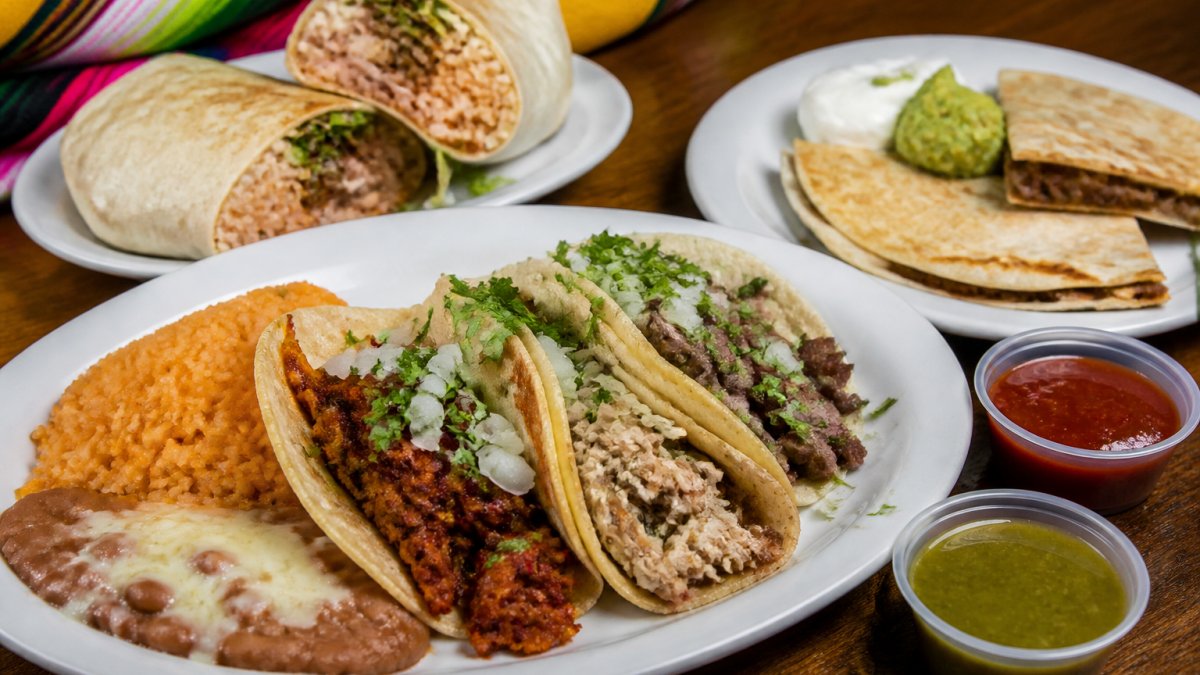
A puesto menu is typically simple and focused: vendors specialize in one or two items and perfect them rather than offering everything.
You'll find:
- Tacos (various fillings)
- Quesadillas
- Tamales
The limited menu keeps operations efficient: the vendor works quickly, ingredients stay fresh, and quality stays high without juggling dozens of dishes.
When you visit a puesto, you're not choosing from a 20-page menu. You're picking from what's displayed.
Puesto Tacos and Beyond: Real-World Food Vocabulary
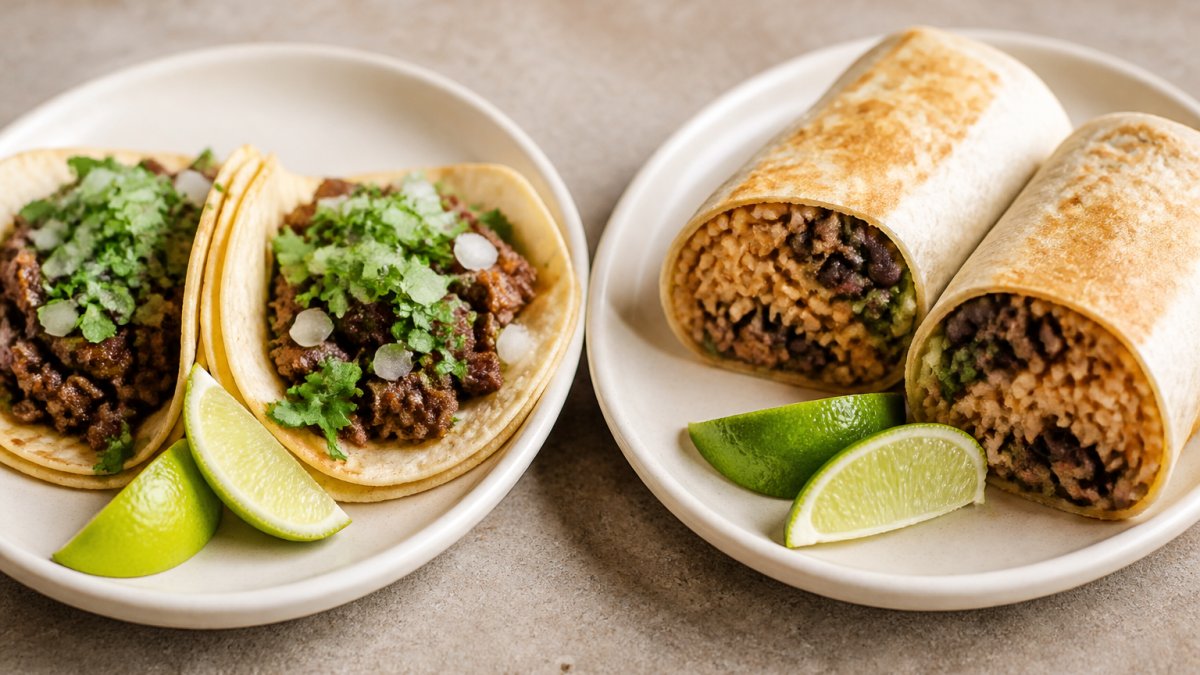
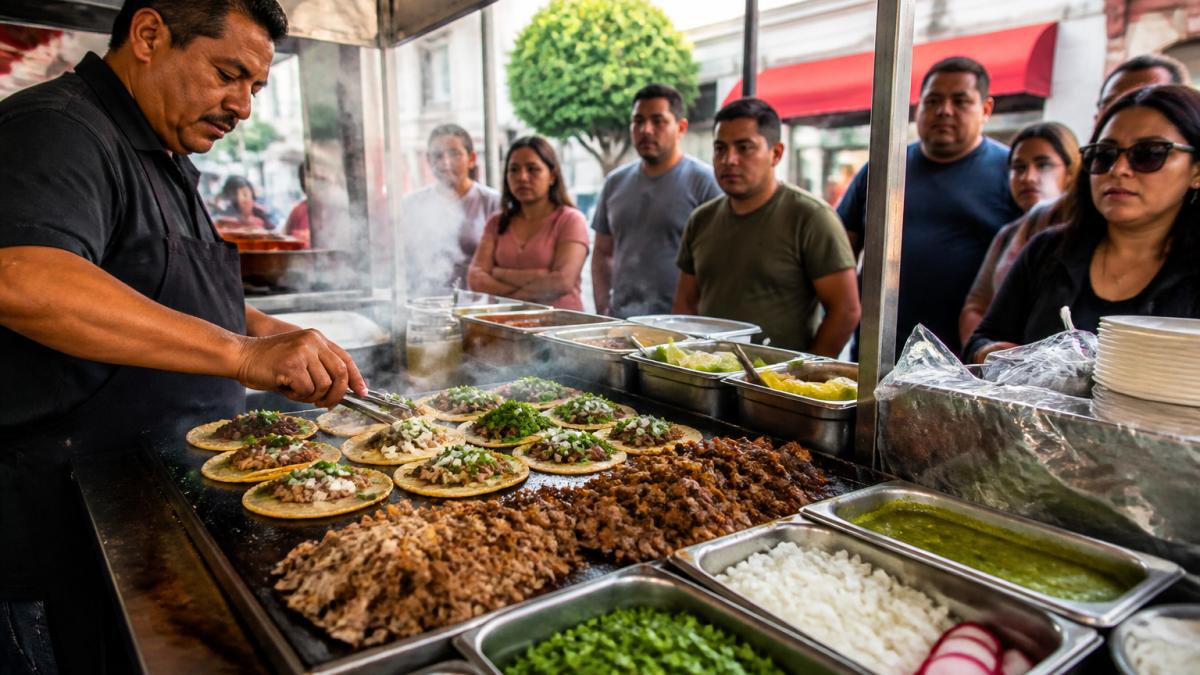
Puesto tacos are the classic street food experience. They're prepared fresh at the stand. The vendor grills meat, warms tortillas, and adds toppings right before handing them to you.
Common Food Items and How to Describe Them
Once you understand the difference between puesto (the place) and delicioso (the taste), you can talk about specific foods:
- "El puesto tiene tacos deliciosos" (The stand has delicious tacos)
- "Las enchiladas en ese puesto son deliciosas" (The enchiladas at that stand are delicious)
- "Ese puesto vende quesadillas deliciosas" (That stand sells delicious quesadillas)
You can also use other food adjectives:
- Fresco (fresh), "Los ingredientes son frescos"
- Sabroso (tasty), "La carne es sabrosa"
- Picante (spicy), "Las salsas son picantes"
Using Adjectives Like Delicioso to Rate and Praise Food
Spanish speakers rate food constantly. Beyond delicioso, you'll hear:
- "¡Exquisito!" (Exquisite!)
- "¡Sabroso!" (Tasty!)
- "¡Delicioso!" (Delicious!)
All these expressions describe how good the food tastes, not the puesto itself, but what comes from it.
Browse the full menu: birria tacos, burritos, quesadillas, tortas, breakfast and drinks at Taqueria El Noa Noa. Order pickup online.
Mexican Restaurant Dine In or Takeout: Puesto vs Delicioso in Practice
When you're choosing between dine in or takeout at a Mexican restaurant, the vocabulary matters. You might say:
- "Voy a comer en el puesto" (I'm going to eat at the stand), this means you're staying
- "Voy a llevar comida del puesto" (I'm going to take food from the stand), this means takeout
- "La comida es deliciosa" (The food is delicious), this describes the quality, not the location
How These Terms Shape Your Dining Experience
Understanding these words changes how you interact with vendors and staff. You can ask specific questions:
- "¿Qué es delicioso aquí?" (What's delicious here?)
- "¿Dónde está el puesto?" (Where's the stand?)
- "¿Puedo comer aquí o es solo para llevar?" (Can I eat here or is it takeout only?)
At a formal restaurant, you wouldn't use puesto, that word is for street food and market stalls; use restaurante instead. But delicioso works anywhere: food is delicious whether you're at a five-star restaurant or a street corner stand.
Comparative Forms and Food Descriptions: Más Delicioso Que
Spanish lets you compare foods using comparative forms, where delicioso really shines as an adjective.
The comparative structure is: más [adjective] que (more [adjective] than)
Examples:
- "Este taco es más delicioso que ese" (This taco is more delicious than that one)
- "La sopa de mi abuela es más deliciosa que la del restaurante" (My grandmother's soup is more delicious than the restaurant's)
- "Las enchiladas aquí son más deliciosas que las del otro puesto" (The enchiladas here are more delicious than those at the other stand)
You can also use:
- Menos delicioso que (less delicious than)
- Tan delicioso como (as delicious as)
These comparative forms let you express preferences and make recommendations. They're essential for real conversations about food.
Pronunciation, Spelling, and Common Learner Mistakes
Most of the confusion around puesto vs delicioso disappears once you hear the words side by side. They are not spelling variants, not synonyms, and not even the same part of speech. Here are the pronunciation, spelling logic, common errors, and regional notes.
Pronunciation
Puesto is pronounced "PWES-toh": the ue makes a "we" sound, and the stress falls on the first syllable.
Delicioso is pronounced "deh-lee-see-OH-soh": the stress falls on the third syllable, and the c before i sounds like an "s" in most Latin American speech (like a "th" in much of Spain).
A quick stress check: puesto stresses the first syllable, delicioso stresses the next-to-last syllable. Misplacing either stress is the most common pronunciation error.
Spelling: Why They Are Not Variants
The two words share no root and no spelling pattern. Puesto comes from poner (to put); delicioso comes from the Latin delicia (pleasure, delight). Neither can substitute for the other, and no regional spelling changes either word. If you see puesto where a food adjective belongs, it is an error, not a dialect.
Common Learner Mistakes
Mistake 1: Confusing the parts of speech
- Wrong: "El puesto es muy puesto" (The stand is very stand, nonsensical)
- Right: "El puesto vende comida deliciosa" (The stand sells delicious food)
Mistake 2: Forgetting gender agreement with delicioso
- Wrong: "La enchilada es delicioso" (masculine form with a feminine noun)
- Right: "La enchilada es deliciosa"
Mistake 3: Using puesto as a food adjective
- Wrong: "La comida es puesto" (The food is stand, nonsensical)
- Right: "Compré la comida en el puesto" (I bought the food at the stand)
Mistake 4: Mispronouncing the stress
- Wrong: "poo-ES-toh" or "deh-li-see-oh-SO"
- Right: "PWES-toh" and "deh-lee-see-OH-soh"
Mistake 5: Assuming the words are related because both appear near food
- Wrong: treating puesto as a synonym for delicioso in a menu description
- Right: using puesto for the stand and delicioso for the food, as in "El puesto de tacos es famoso por su comida deliciosa" (The taco stand is famous for its delicious food)
Natural Contrast Sentences
The clearest way to lock in the difference is parallel sentences:
- "El puesto de comida está en la esquina.", The food stand is on the corner. (noun: place)
- "La comida del puesto está deliciosa.", The food from the stand is delicious. (adjective: taste)
- "Ese puesto vende tamales deliciosos.", That stand sells delicious tamales. (noun + adjective together)
Regional Usage Notes
Puesto for a food stand is widely understood, but regional synonyms vary: carrito (cart) is common in Mexico for mobile setups, kiosco appears at markets, and parada is used in some areas. Delicioso is standard everywhere, though colloquial praise shifts by region, ¡Qué rico! is especially common in Mexico, while ¡Sabroso! leans Caribbean and coastal.
Frequently Asked Questions
What is the main difference between puesto and delicioso?
Puesto is a noun meaning a food stand or stall where meals are prepared and sold, while delicioso is an adjective meaning delicious that describes the quality of food. Puesto refers to the place or position, whereas delicioso describes how something tastes. In Spanish vocabulary, puesto is essential for understanding where you eat, and delicioso is how you express satisfaction with what you're eating.
How do you use delicioso correctly when describing food?
Delicioso changes form based on gender and number agreement. Use delicioso for masculine singular (el taco delicioso), deliciosa for feminine singular (la comida deliciosa), deliciosos for masculine plural (los tacos deliciosos), and deliciosas for feminine plural (las quesadillas deliciosas). For example: 'Las enchiladas están deliciosas' (The enchiladas are delicious). This agreement is crucial for proper Spanish grammar.
Can you give an example sentence using both puesto and delicioso?
Yes: 'El puesto de tacos en la calle tiene comida deliciosa' (The taco stand on the street has delicious food). Another example: 'En ese puesto venden quesabirrias muy deliciosas' (At that stand they sell very delicious quesabirrias). These sentences show how puesto identifies the location and delicioso describes the food quality.
What are other meanings of puesto in Spanish?
Beyond food stalls, puesto means a position or job (mi puesto de trabajo = my job), a spot or place (un puesto en la fila = a spot in line), or a market stall for any goods. It's the past participle of the verb poner (to put), so it can also mean 'put' or 'placed' in certain contexts. Understanding these meanings helps you recognize puesto in different situations beyond food vocabulary.